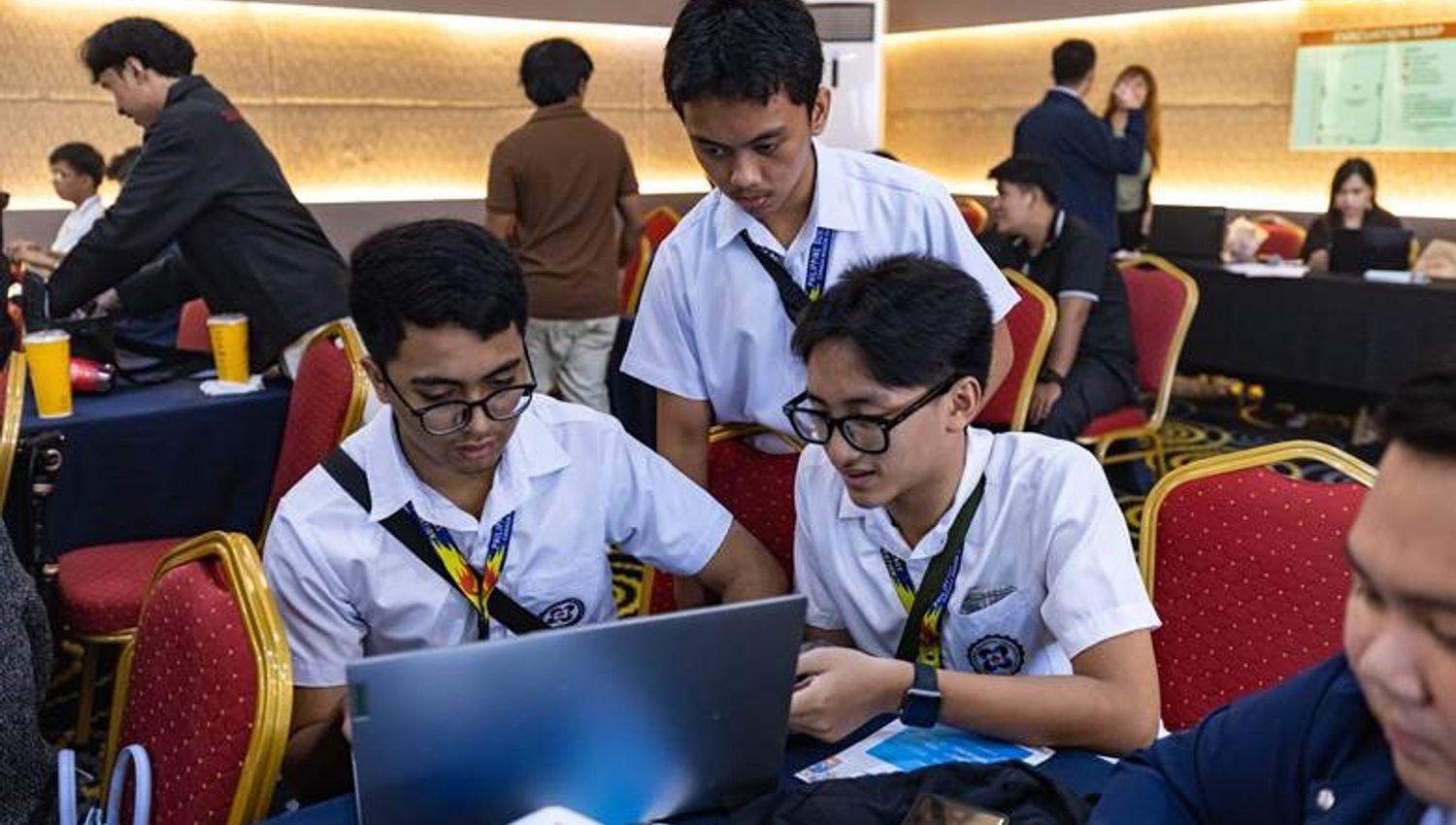
A group of Filipino startups building products around artificial intelligence is set to represent the country at GITEX Asia, one of the region’s biggest technology events, giving local founders a stage to court investors and partners from around the world. The delegation reflects a maturing startup scene that is increasingly betting on AI.
The selected companies span a range of uses, from tools that automate business tasks and analyse data to applications aimed at agriculture, health and customer service. What they share is a focus on problems specific to emerging markets, where AI can help firms work around gaps in infrastructure and skills.
Government agencies backing the delegation see events like this as a way to raise the profile of Philippine technology abroad. Exposure at a major showcase can help young firms land pilot deals, attract funding and recruit talent, all of which are harder to come by in a smaller domestic market.
The Philippine startup ecosystem has grown steadily, supported by a large English speaking workforce, a young population comfortable with mobile technology, and a diaspora that often serves as a bridge to overseas capital. Funding, though, remains thinner than in larger neighbours, which makes international exposure valuable.
For the founders making the trip, the goal is practical. A strong showing could translate into contracts and investment that let them scale beyond the Philippines, and it would add to a slowly growing list of local firms proving that homegrown AI can compete on a regional stage.