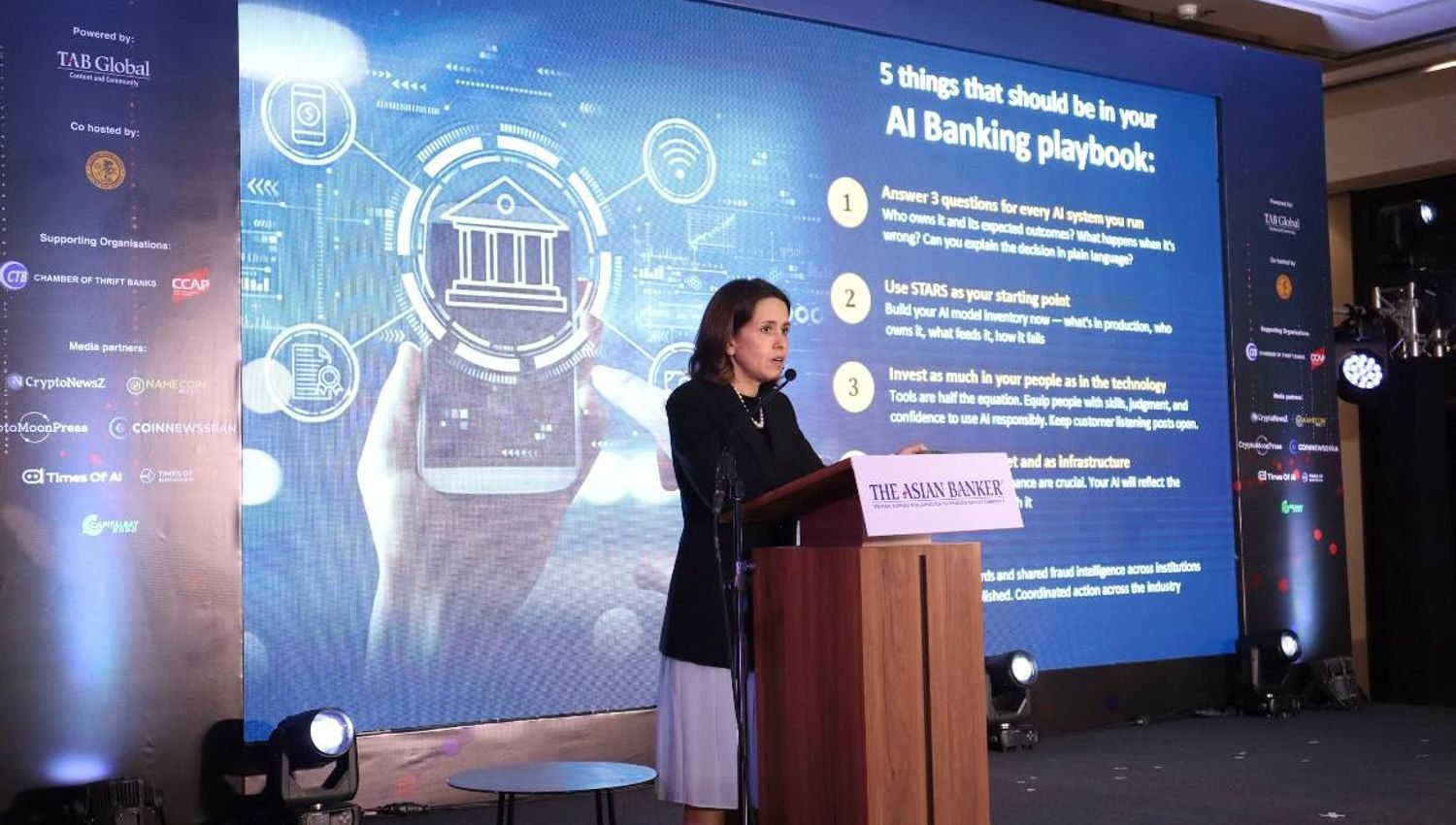
Artificial intelligence dominated the agenda at this year’s gathering of the Philippine finance industry, as banks and fintech firms laid out how they plan to move the technology from experiments into the core of their operations. The shift reflects a wider push across Philippine financial services to use AI for everything from fraud detection to customer service.
Executives described a growing list of uses. Lenders are turning to machine learning to spot suspicious transactions faster, to assess the creditworthiness of borrowers who lack a formal credit history, and to handle routine customer queries through chat assistants. For a country where millions remain outside the formal banking system, better risk models could widen access to loans and accounts.
The enthusiasm comes with caution. Regulators have stressed the need for clear rules on data privacy, model transparency and accountability when automated systems make decisions that affect customers. Banks, in turn, are wary of the reputational risk that comes with errors or bias in AI driven lending.
Digital banks and mobile wallets have been among the most aggressive adopters, using AI to personalise offers and keep costs low. Traditional lenders are following, often through partnerships with technology providers rather than building everything in house.
Industry leaders framed the moment as an inflection point. The question, they suggested, is no longer whether Philippine banks will use artificial intelligence, but how quickly they can do so responsibly while keeping the trust of customers who are still getting comfortable with digital finance.