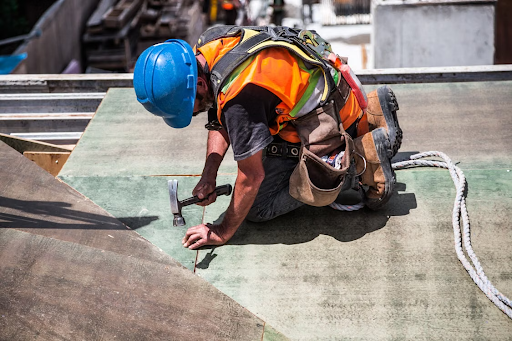
While the wider Philippine economy lost momentum in 2026, the country’s factories have proved more resilient, with surveys of purchasing managers pointing to steady expansion in output and new orders through the middle of the year. Manufacturing has become one of the few consistent bright spots in an otherwise cautious economy.
Producers of food, electronics and consumer goods have reported firmer demand at home, helped by a large domestic market and a gradual recovery in some export lines. Factory owners have also benefited from easing supply bottlenecks that had disrupted shipments in earlier years.
The strength is not evenly spread. Firms tied to global electronics demand remain exposed to swings in overseas orders, and higher input costs, driven partly by a weaker peso, have eaten into margins. Some manufacturers have passed costs on to buyers, while others have absorbed them to hold market share.
Trade officials have leaned on the sector’s steadiness to argue that the slowdown is temporary. They have promoted the Philippines as a manufacturing base for companies looking to diversify their supply chains across Southeast Asia, pointing to incentives for electronics, car parts and green industries.
Whether the momentum holds will depend on external demand and the path of interest rates. For now, the sector is a reminder that parts of the economy are still growing, even as headline output cools and businesses turn more selective about where they put their money.