New York Fashion Week has long traded on distance: invitations circulated quietly, access concentrated among editors, buyers, and insiders. Yet over the past few seasons, the city’s fashion calendar has begun to reflect a different set of pressures – rising production costs for designers, shifting media economics, and a public accustomed to paying for proximity at concerts, festivals, and sports. The result is a rethinking of what “VIP” signifies in fashion, and who it is for.
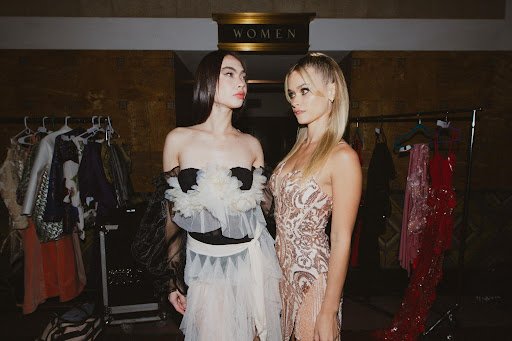
One of the most visible experiments in this redefinition comes from The Bureau Fashion Week, a producer that has expanded the idea of Fashion Week from a closed trade event into a ticketed cultural experience. Its New York shows sit alongside legacy programming, offering paid access to runway seating, backstage circulation, and curated after-hours events – features once reserved for a narrow professional class.
When Access Becomes a Transaction, Not a Favor
The move toward ticketed Fashion Week experiences didn’t happen in isolation. Across live events, audiences have shown a growing willingness to spend on access rather than products. In 2024, U.S. apparel spending held up in bursts, but a larger share of discretionary dollars flowed toward experiences. In New York, fashion now competes directly with concerts, theater, and sports, pushing producers to be clearer about what attendees are actually getting for the price.
In that environment, VIP no longer hinges on personal connections alone. It’s increasingly defined by where you’re allowed to go and how deeply you’re allowed to engage. Front-row seats, backstage walk-throughs, and invitation-only dinners are being packaged into clear, paid tiers rather than quietly reserved favors. The Bureau’s New York Fashion Week program, which says it has welcomed hundreds of thousands of ticketed guests across multiple seasons, shows how Fashion Week access has become both visible and transactional.
“Fashion Week used to operate on favors and opacity,” said Brady King, the company’s founder. “We wanted to make access clear, transactional, and legitimate for people who care about fashion but were never invited.”
Redefining VIP Beyond the Front Row
What distinguishes the new VIP experience is less about seating hierarchy than about continuity. Instead of a single show, ticket holders move through a sequence: runway presentations, backstage circulation, and evening events that extend the experience across multiple days. This mirrors patterns seen in music festivals, where premium passes promise immersion rather than exclusivity alone.
Data underscores why this model has gained traction. The Bureau reports partnering with thousands of designers globally and more than 100,000 ticketed attendees since launch, with year-over-year revenue growth exceeding 300 percent as it expanded across U.S. and European markets. For designers, especially emerging labels, the appeal is economic: participation costs are lower than traditional Fashion Week benchmarks, while audience reach is broader and more measurable.
“Designers don’t just need prestige,” King said. “They need visibility, media coverage, and a way to connect with people who actually buy fashion.”
A Mirror of Fashion’s Economics
The way VIP is being reworked in New York reflects pressures felt across the fashion business. In Europe, growth has slowed and regulation has tightened. In the United States, brands are dealing with uneven demand and higher costs. In that climate, events that can bring in consumer revenue while still delivering media visibility offer a practical buffer.
For audiences, the shift is about more than money. Fashion Week attendance has moved from being a quiet marker of insider status to something people can intentionally buy into, plan around, and share. In New York – a city where culture is almost always ticketed – that change feels less like a break from tradition and more like a natural extension of it.
What’s taking shape isn’t the end of VIP, but a new version of it. Access has moved from closed doors to defined entry points, from favors to participation. Whether this becomes the standard will come down to consistency and trust. For now, it offers a clear signal of how Fashion Week is adjusting to a city—and an audience—that wants to be closer to the runway, not just reading about it afterward.