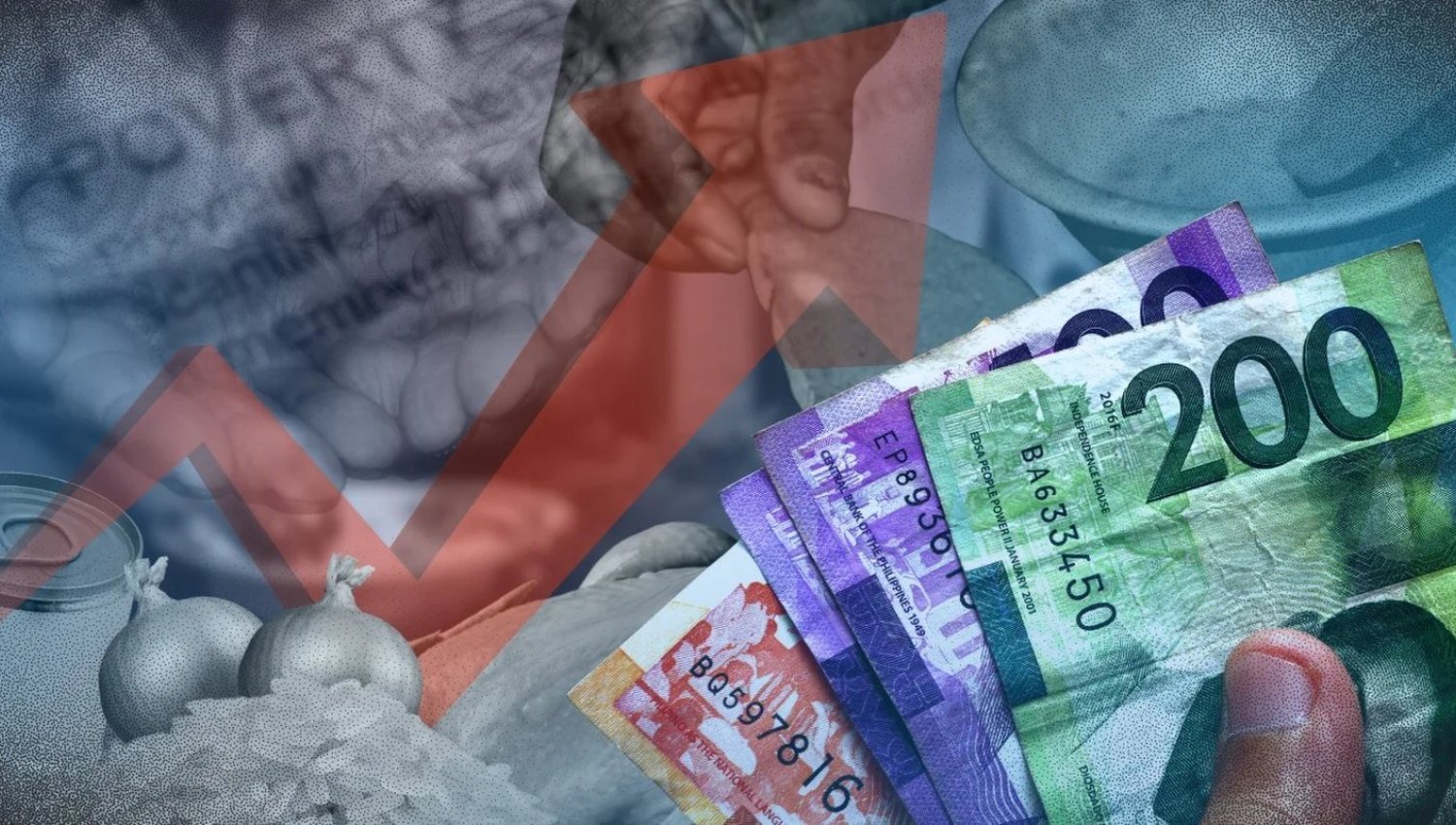
Philippine inflation eased to 6.2% in July, down from 6.4% in June and the third month in a row that the headline rate has fallen since it peaked at 7.2% in April. The number came in slightly better than expected: economists had pencilled in around 6.4%, and it landed near the bottom of the Bangko Sentral ng Pilipinas’ 5.6% to 6.6% forecast range.
Most of the relief came from the pump. Transport inflation slowed to 11.9% from 12.8%, as gasoline fell to 34.1% from 39.2% and diesel edged down to 38.6%. Those are still punishing numbers, but the direction of travel matters after a brutal first half of the year.
The picture underneath is more mixed than the headline suggests. Food inflation held steady at 5.2%, but rice climbed again to 17.1% from 15%, and electricity jumped to 17% from 12.3%. In other words, two of the things households feel most directly are still getting more expensive even as the overall rate cools. Core inflation, which strips out volatile food and fuel, slipped to 4.2% from 4.4%.
For the year so far, inflation is averaging 5%, well above the central bank’s 3% target. BSP Governor Eli Remolona Jr. and his board have leaned against the pressure, and the current policy rate sits at 4.75%. John Paolo Rivera of the Philippine Institute for Development Studies has been among those watching whether the cooling trend holds or stalls.
The honest read is that this is progress, not victory. Three months of easing is a real trend, and the fuel numbers are finally moving in the right direction. But with rice and power still climbing, the average Filipino’s grocery run and electric bill will not feel much lighter yet. The next few prints will tell whether July was the turn or just a pause.