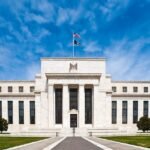
The United States Federal Reserve raised its benchmark interest rate on September 16, moving the target range for the federal funds rate up by a quarter of a percentage point to between 3.75 percent and 4 percent. The decision by the Federal Open Market Committee was unanimous. It marked the first increase in the rate since July 2023 and ended a period in which the central bank had held or lowered borrowing costs.
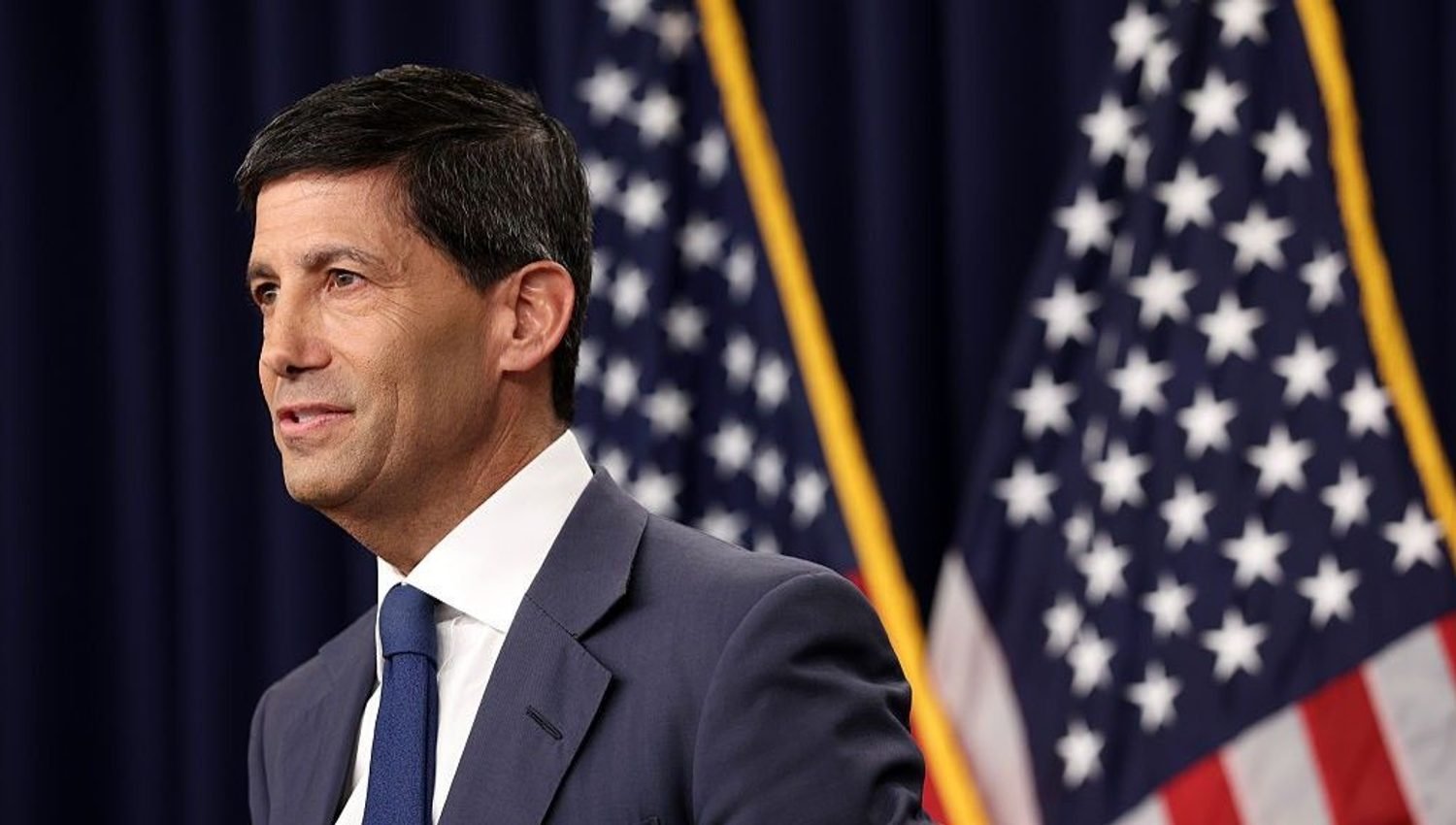
Fed Chair Kevin Warsh presented the move as a response to inflation that has proven slower to ease than policymakers had expected. The central bank’s preferred gauge, the core personal consumption expenditures index, rose from 3 percent in December 2025 to 3.3 percent by July 2026, staying above the Fed’s stated 2 percent goal. Warsh said too many spending categories were still recording annual price increases above 3 percent.
Energy costs featured in the committee’s reasoning. Oil prices climbed through the year, reaching about 113 dollars a barrel in April before settling above 100 dollars in the weeks around the meeting. The committee said the persistence of high prices, rather than the temporary rise it had anticipated, supported acting to return inflation to target on a steadier path. Fuel costs feed into a wide range of goods and services, and the Fed treated them as a factor unlikely to fade on its own in the near term.
The Fed also pointed to a labor market it described as close to full employment, with the jobless rate remaining low. Warsh said that with hiring conditions holding up, the central bank could concentrate on price stability. The committee’s statement said the increase would support a more timely return to the 2 percent goal. Higher rates raise the cost of borrowing for households and businesses, from mortgages to company loans, a trade-off the Fed weighs against the risk of allowing inflation to become entrenched.
In its guidance, the median projection among Fed officials pointed to one further increase before the end of the year, while some market pricing reflected expectations of as many as three more moves by the middle of 2027. The direction of policy will depend on incoming data on prices, wages and hiring in the months ahead. The committee said future decisions would be made meeting by meeting as those figures arrive, leaving open the pace and scale of any further tightening.