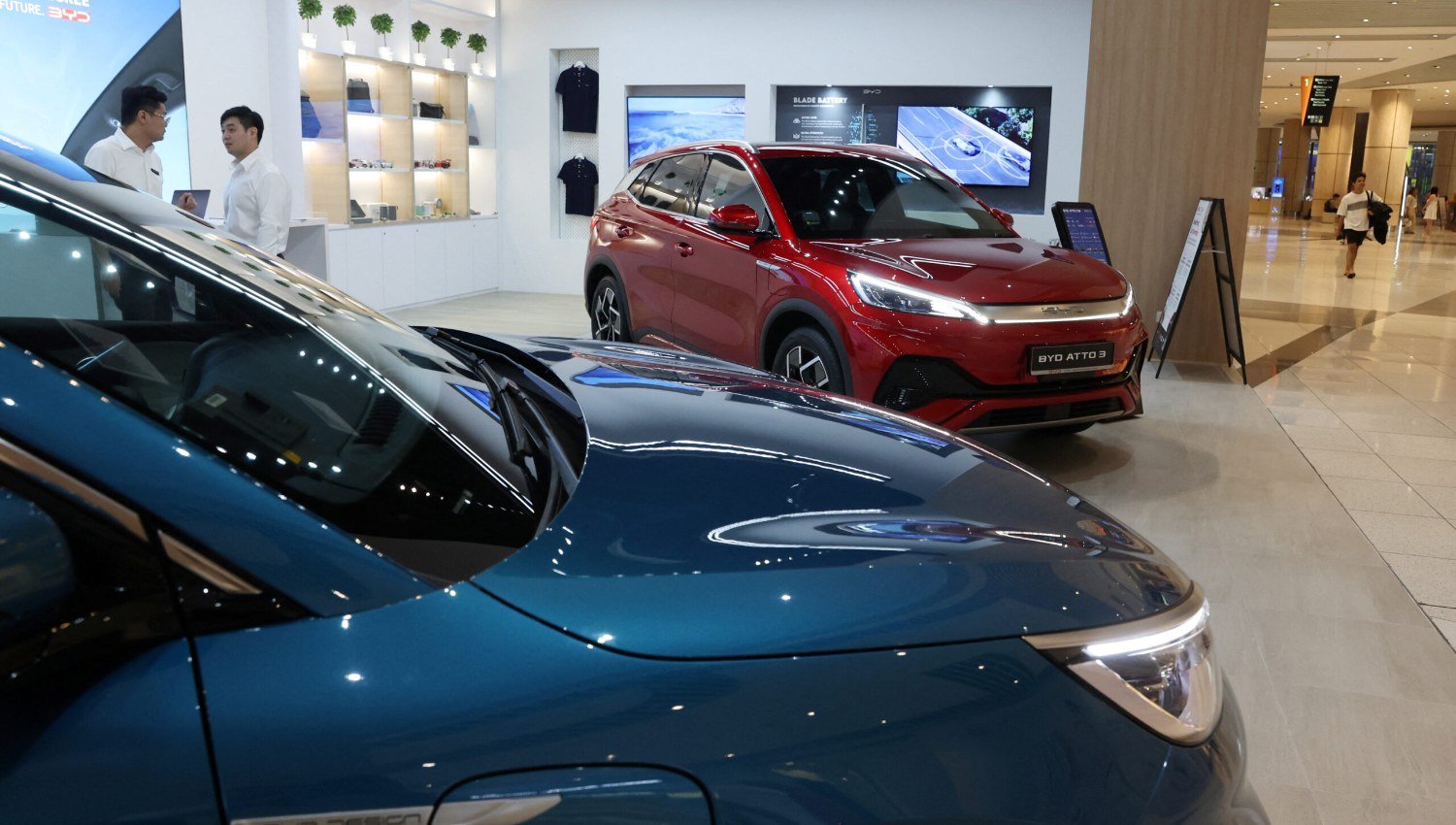
Imports of low-cost electric vehicles from China are pushing Philippine manufacturers out of their home market, particularly makers of electric motorcycles and tricycles, according to industry leader Edmund Araga. He said most local producers in the segment have already shut down because of competition from Chinese brands.
Araga, president of the Asian Federation of Electric Vehicle Associations and a former head of the Electric Vehicle Association of the Philippines (Evap), said the country is “still lagging” in localising three-wheelers. BMI Research noted that BYD, Chery and MG have entered the market and are narrowing the price gap between electric and conventional vehicles. Araga said domestic makers also face thin capital, limited financing and weak distribution networks. Those gaps make it hard for small producers to match the prices and reach of imported brands, even when demand for electric two- and three-wheelers is growing.
The debate centres on where government support goes. The P60-billion Electric Vehicle Incentive Strategy, designed to attract vehicle manufacturers, excludes electrified two- and three-wheelers. Evap president Willy Tee Ten has questioned that choice. Board of Investments head Ceferino Rodolfo defended it, saying the country already has a manufacturing base for electric motorcycles and tricycles, so the programme concentrates on four-wheeled vehicles. Araga argued that development policy has favoured cars while smaller vehicles get little investment backing.
The government’s own Comprehensive Roadmap for the Electric Vehicle Industry expects electric motorcycles, tricycles and hybrids to drive much of near-term adoption. Araga said electric two-wheelers will be essential to meeting electrification targets for 2028, and he sees strong potential for small EVs in short-distance and last-mile transport. He acknowledged that local manufacturers exist but said they need help to expand and compete with imports. His argument is that the vehicles expected to lead the shift are the same ones left out of the main incentive package.
Adoption is rising from a low base. EV registrations climbed to 60,906 in 2025 from 24,286 in 2024, still a small share of the roughly 14.8 million registered vehicles in the country. Four-wheeled EVs have reached only 54.6 per cent of their short-term adoption target. The figures leave policymakers with a choice between backing the segment where local firms already operate and the car-assembly investment the incentive programme was built to attract. For the smaller makers Araga describes, that decision may come too late.