A Chinese court has sentenced three members of a Myanmar-based crime family to death, in the latest blow against syndicates behind the scam industry in Southeast Asia. The Quanzhou Intermediate People’s Court on Tuesday handed death sentences to Wei Huairen, Chen Dawei and Liao Jingfang, whom it described as part of the “Wei family criminal gang”.
Three other members received life sentences, and 55 more were jailed for terms ranging from 24 years down to three years and three months. The court said the gang was involved in drug trafficking, organising prostitution, running illegal casinos and telecom fraud, as well as the murder of at least two Chinese citizens. Wei Huairen was named as a leader and convicted of several offences, murder among them. The group’s operations generated more than 12.2 billion yuan, or $1.8 billion, according to the court. The long list of convictions reflects how far the clan’s businesses spread, from gambling and drugs to large-scale fraud aimed at Chinese victims.
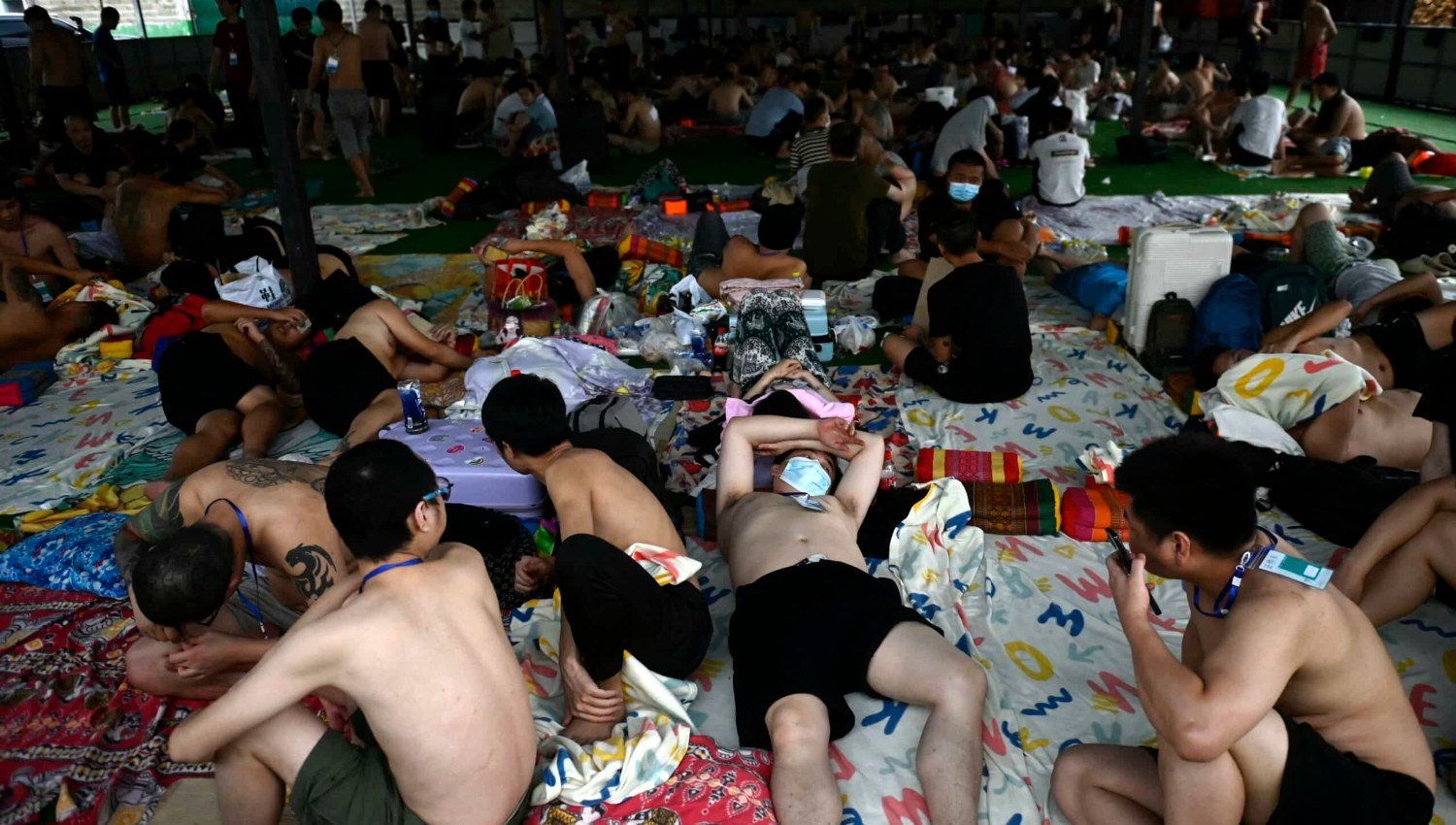
Analysts count the Wei clan among four families that run crime syndicates in Kokang, in northern Myanmar. State broadcaster CCTV called the group the region’s most violent criminal force and said it had built an alliance of political, military and business crime. According to CCTV, the gang ran 14 large-scale scam compounds and drew large numbers of Chinese to Myanmar with false promises of high wages. Police later found the remains of victims who had been bound with iron chains and shot through the head.
Members of the Wei family were first indicted in October 2025. The verdict follows a run of severe punishments for the Kokang clans. In January, China executed 11 people, including members of the Ming family criminal gang, and the following month four members of the Bai clan were executed for fraud, intentional homicide, intentional injury, kidnapping and extortion.
Beijing has stepped up cooperation with Southeast Asian governments to break up a regional scam industry that has taken billions of dollars from victims. The people working in the compounds are sometimes willing fraudsters, but many are trafficked foreigners, a large share of them Chinese, who were lured with fake job offers and then held in prison-like conditions. The latest sentences show Beijing intends to keep pursuing the Kokang clan leaders it holds responsible for the trade.