Global financial markets steadied at the end of the week of September 11 after a closely watched US inflation report came in broadly as expected. Consumer prices rose 3.4 percent from a year earlier in August, a figure that matched forecasts and removed some of the uncertainty that had unsettled trading in previous sessions. The reading offered relief to investors who had been bracing for a stronger number, and it steadied sentiment that had turned defensive during a run of losses earlier in the week.
US equity benchmarks led the recovery. The S&P 500 closed at 7,657, a gain of 0.86 percent that ended a four-day losing streak. The Dow Jones Industrial Average rose 0.98 percent to 52,573, while the Nasdaq Composite added 0.96 percent to 26,333. The advance reflected a broad move back into risk assets after a stretch of caution across global trading, with the three benchmarks recovering ground lost over the preceding sessions.
Measures of market stress eased alongside the rally. The VIX, a gauge of expected volatility, fell more than 11 percent to 15.84, signaling calmer conditions. In the bond market, the US 10-year Treasury yield held near 4.97 percent after testing the 5 percent level, a threshold that has drawn attention as a marker of tighter financial conditions worldwide.
The steadier mood extended to emerging markets. Brazil’s real firmed to about 5.13 per US dollar, and the country’s 10-year bond yield eased to roughly 14.3 percent from around 14.7 percent, a sign that pressure on higher-yielding assets had lifted as US rate anxiety receded. Movements in US yields and the dollar continue to shape trading across developing economies, where currencies and government bonds often react sharply to shifts in the American rate outlook.
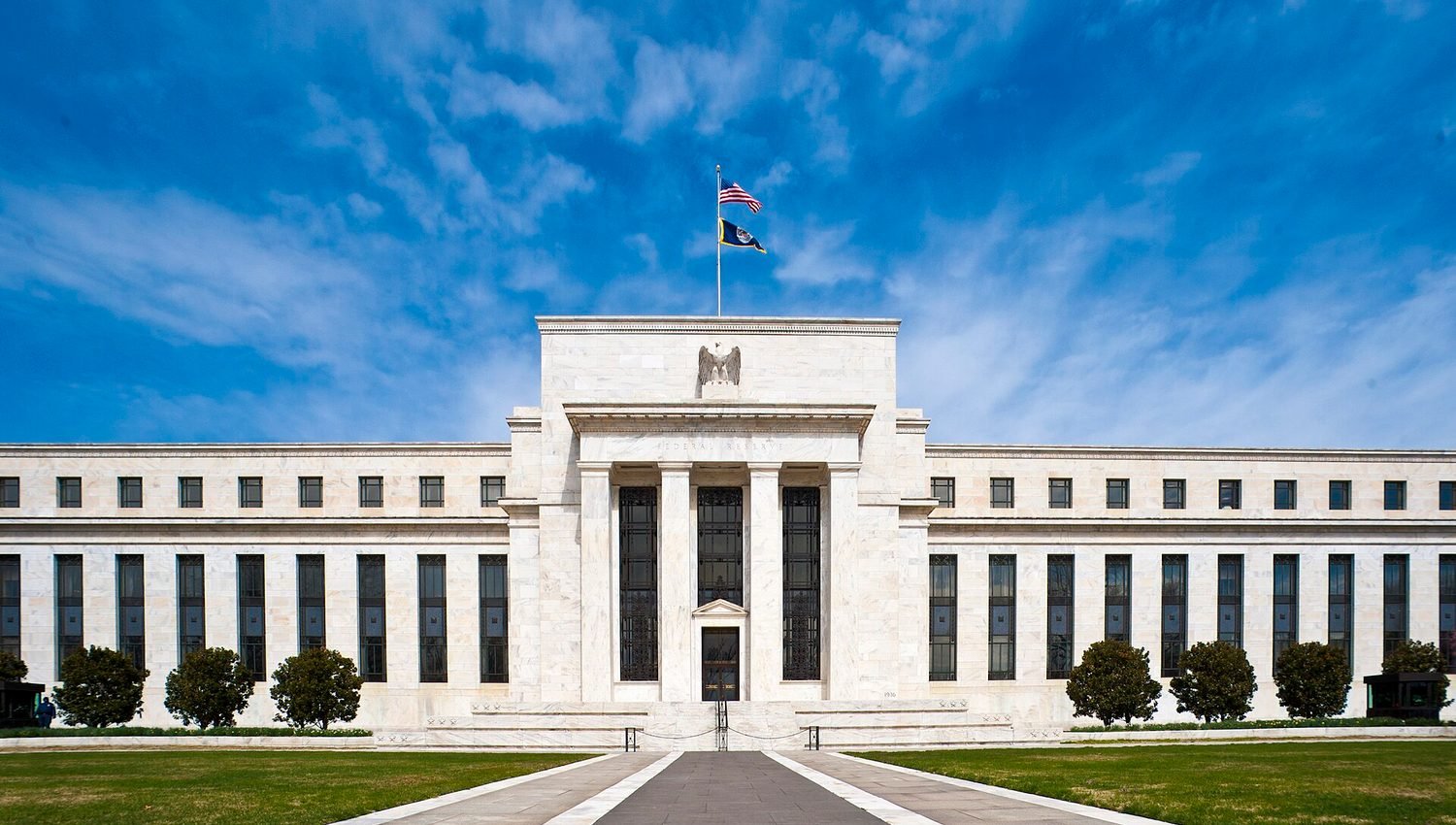
Commodities presented a mixed picture. Gold traded near $4,461 an ounce, up 0.77 percent and close to record territory, while oil prices softened, with Brent crude down about 2.8 percent to near $104.6 a barrel and West Texas Intermediate around $100. With a Federal Reserve policy meeting approaching, investors treated the inflation data as one input into a decision that would set the tone for markets in the days ahead.