Inflation in the Philippines eased to 6.1 percent in August, down slightly from 6.2 percent in July and the slowest pace in five months. The figure marked a fourth straight month of easing, offering some relief to households after a stretch of higher prices.
The slowdown was driven mainly by food and beverage prices, which rose more slowly than in previous months. Vegetable prices in particular cooled sharply, helping to pull the overall rate down even as some items stayed expensive.
Rice remained an exception, with prices climbing faster and reaching their highest pace in over a year. Because rice is a staple for most families, its cost carries extra weight in how households feel the effect of inflation.
The August rate stayed above the government’s target range, but officials noted it fell within the central bank’s forecast for the month. The gradual easing gives policymakers more room to weigh their next moves on interest rates.
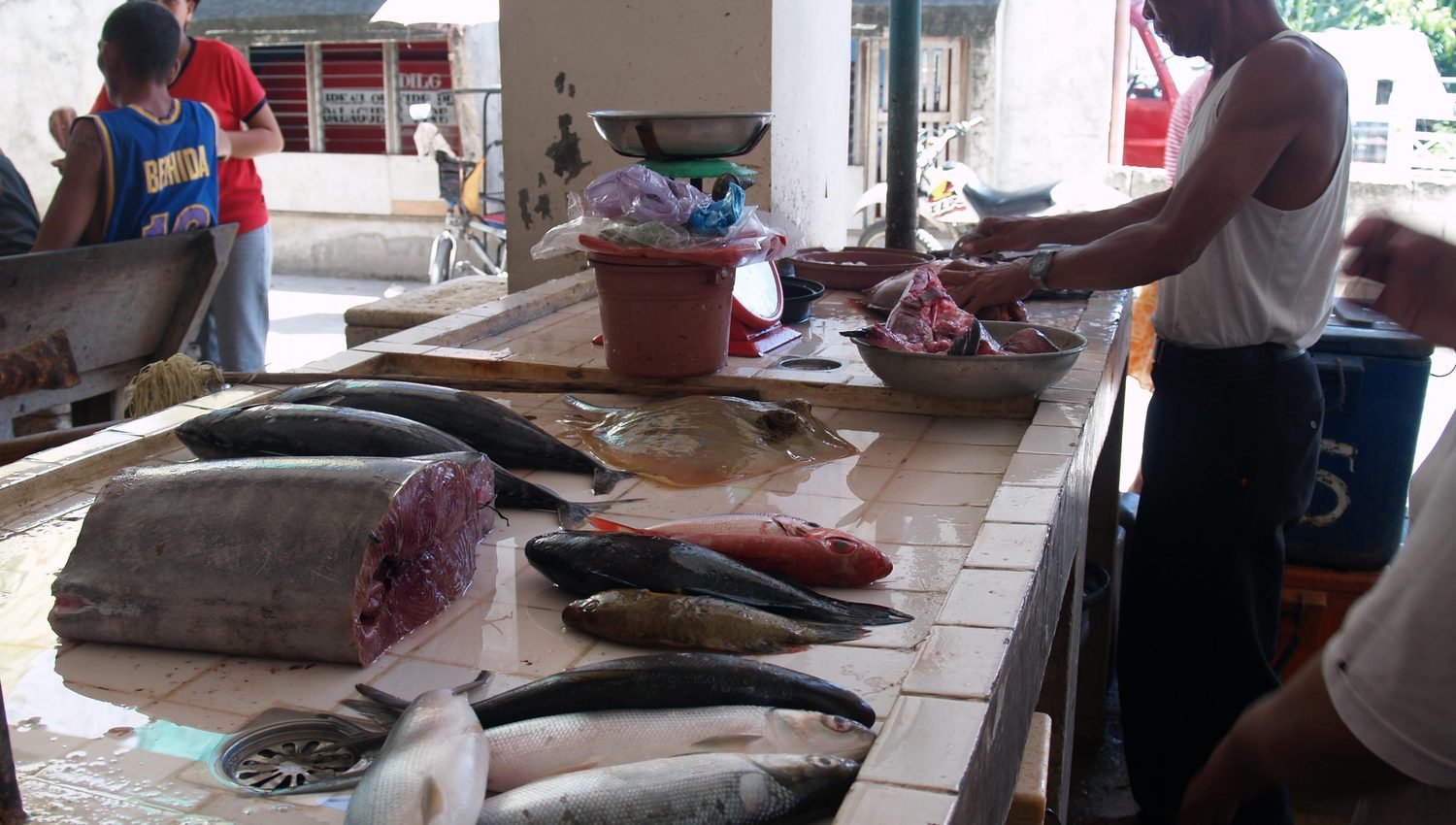
Prices at public markets are watched closely as a gauge of how inflation reaches ordinary shoppers. Vendors and buyers alike feel the effect of swings in the cost of vegetables, fish and other daily goods.
Economists said continued easing would depend on stable supplies and steady weather in the months ahead, since disruptions can quickly push food prices back up.