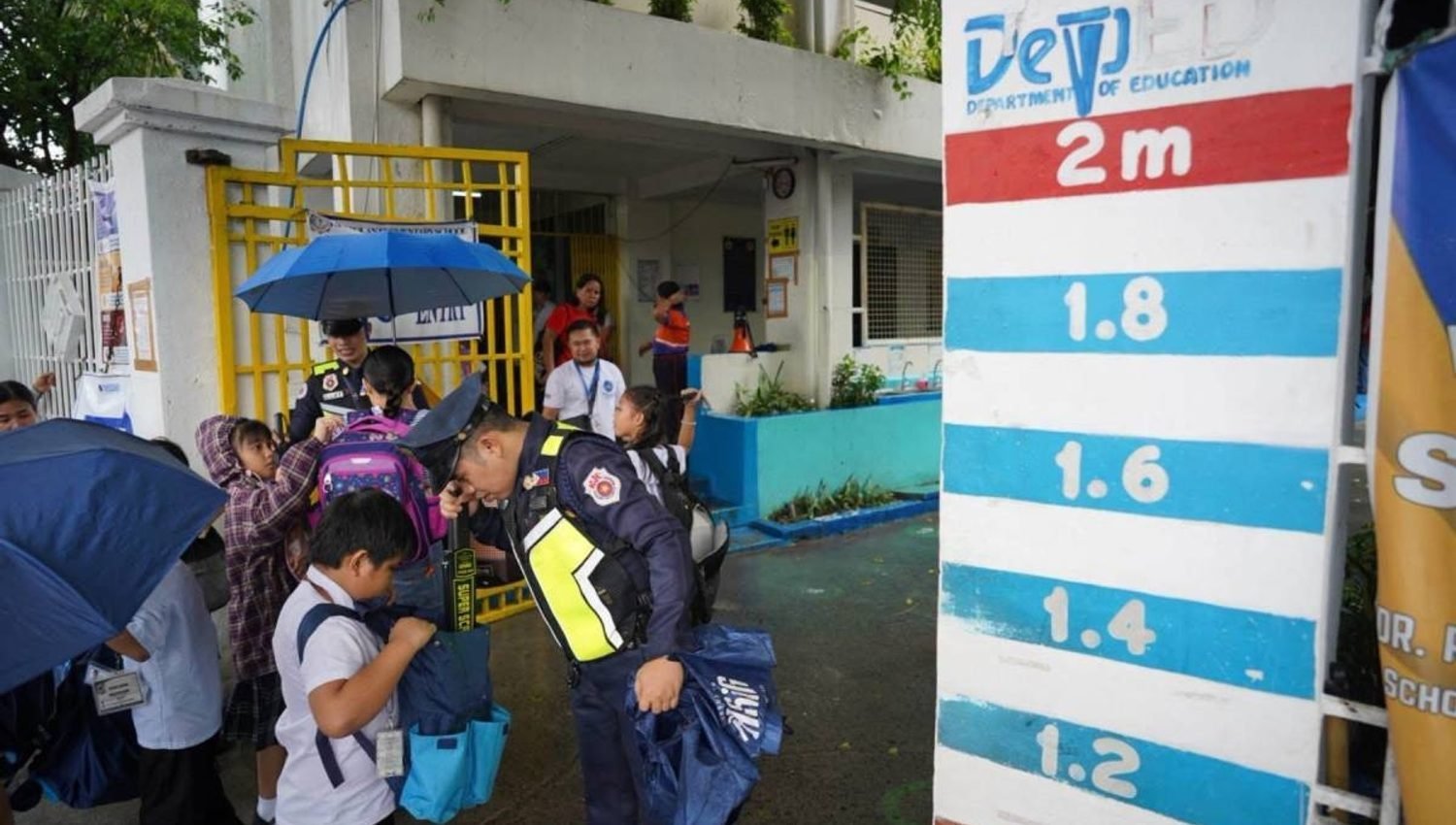
The Department of Education has directed public schools across the country to step up prevention of dengue and leptospirosis as the rainy season raises the risk of both illnesses. The guidance asks schools to take practical steps to protect students and staff.
Schools are being told to check for standing water, where mosquitoes that spread dengue can breed, and to carry out regular clean-up routines. Removing potential breeding sites is one of the simplest ways to reduce the spread of the disease.
The department also called for limiting students’ contact with floodwater, which can carry the bacteria that cause leptospirosis, and for using protective measures when exposure cannot be avoided. Both illnesses tend to rise during periods of heavy rain and flooding.
Schools were further asked to report suspected cases quickly, using a tracking approach meant to catch outbreaks early. Prompt reporting allows health authorities to respond before cases spread more widely.
Seasonal illnesses put added pressure on schools and families during the rainy months. Preventive steps taken on campus can help keep students healthy and reduce absences during a vulnerable time of year.
The department framed the measures as part of routine preparation for the season, aimed at keeping classrooms safe as rains continue across much of the country.