In a cramped immigration courtroom, a woman clutches a folder of documents she has kept in perfect order for nearly a decade. She has been waiting years for her hearing, only to learn that her case will be delayed again. Her children are now teenagers; her father died overseas while she was unable to leave the country. For millions of immigrants in the United States, this kind of waiting is not an exception, it is the system.
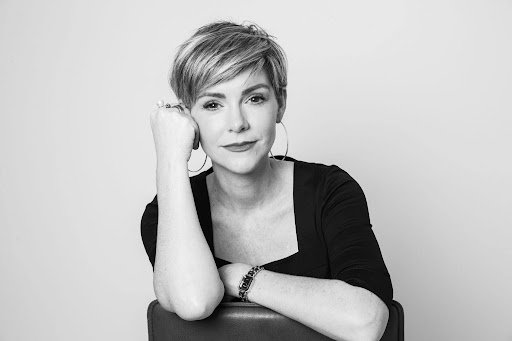
The U.S. immigration framework has not undergone comprehensive legislative reform since 1986. Decades of stalled proposals have left the burden of navigation on individuals, attorneys, and overextended courts. Attorney Hillary Walsh of New Frontier Immigration Law, who has represented clients before the U.S. Supreme Court, confronts this reality daily through her work on family and humanitarian immigration cases. Her perspective on the system’s failings is grounded in both statistics and lived experiences of those she represents.
Based on that work, three challenges emerge as defining features of immigration law today: the crushing backlog of cases, the use of fear as a form of control, and the public narratives that shape political will.
Case Backlogs That Span Years
The U.S. immigration system is currently managing more than 3.5 million pending cases, according to mid-2025 court data. The Executive Office for Immigration Review (EOIR) has grown its roster to over 600 judges, yet new case filings continue to outpace case completions. In June 2025, only 21.6% of people who received removal orders had legal representation at the time of their final order.
For those caught in the system, the implications are far-reaching. People can spend years unable to work legally, reunite with family members abroad, or make long-term plans. The uncertainty affects not only individuals but also their communities and employers.
“Every month a case sits untouched, someone’s life is in limbo—and that limbo becomes the policy,” Walsh said. Her firm’s remote-first structure allows them to handle cases nationwide, but she maintains that real progress will require structural changes to court capacity and processing efficiency.
Fear as a Tool of Control
Even when a person has a potential path to lawful status, fear often prevents them from taking it. Employers may threaten deportation to keep workers in unsafe conditions. Abusive partners may withhold immigration documents as a means of control. In some cases, family members exploit someone’s undocumented status during personal disputes.
Legal avenues exist for some of the most vulnerable. The Violence Against Women Act (VAWA) enables survivors of domestic abuse to self-petition for legal status, while T visas protect survivors of human trafficking. But many never learn that these protections apply to them, or they mistrust a system they have been told will harm them.
Walsh has represented clients who endured years of exploitation before learning they could act. “Some in Washington treat immigration not as a problem to solve, but as a problem to campaign on,” she said, noting how political rhetoric can reinforce mistrust and isolation. Combating this challenge means not only winning cases but also disseminating accurate information to those who need it most.
Public Narrative and Political Will
Public perception of immigration plays a decisive role in shaping policy. National debates often reduce immigrants to simplified archetypes—either idealized contributors or security threats. This framing leaves little space for the complexities of real people’s lives and limits the appetite for substantive reform.
Changing the narrative requires sustained effort. Through her TEDx talk, Captives Among Us: How U.S. Immigration Law Perpetuates Domestic Violence, and her podcast Immigration Law Made Easy, Walsh works to broaden understanding of who immigrants are and what they contribute. She also underscores the economic reality: by 2030, labor shortages in key sectors such as healthcare, agriculture, and construction are expected to intensify, making immigration a matter of workforce stability as well as humanitarian policy.
“Bryan Stevenson changed how America talks about death row. I want to do the same for undocumented immigrants,” Walsh said. She sees cultural change as a necessary precursor to legislative action, arguing that without public support, even well-crafted reforms will stall.
The backlog of cases, the use of fear as leverage, and the shaping of immigration narratives are not isolated problems, they reinforce one another. Delays erode trust, fear keeps people from asserting their rights, and public narratives influence whether lawmakers act at all. Attorneys like Walsh address these challenges case by case, but the scale of the issues suggests that systemic reform, paired with a shift in public understanding, will be essential to building an immigration system that serves both justice and national interest.