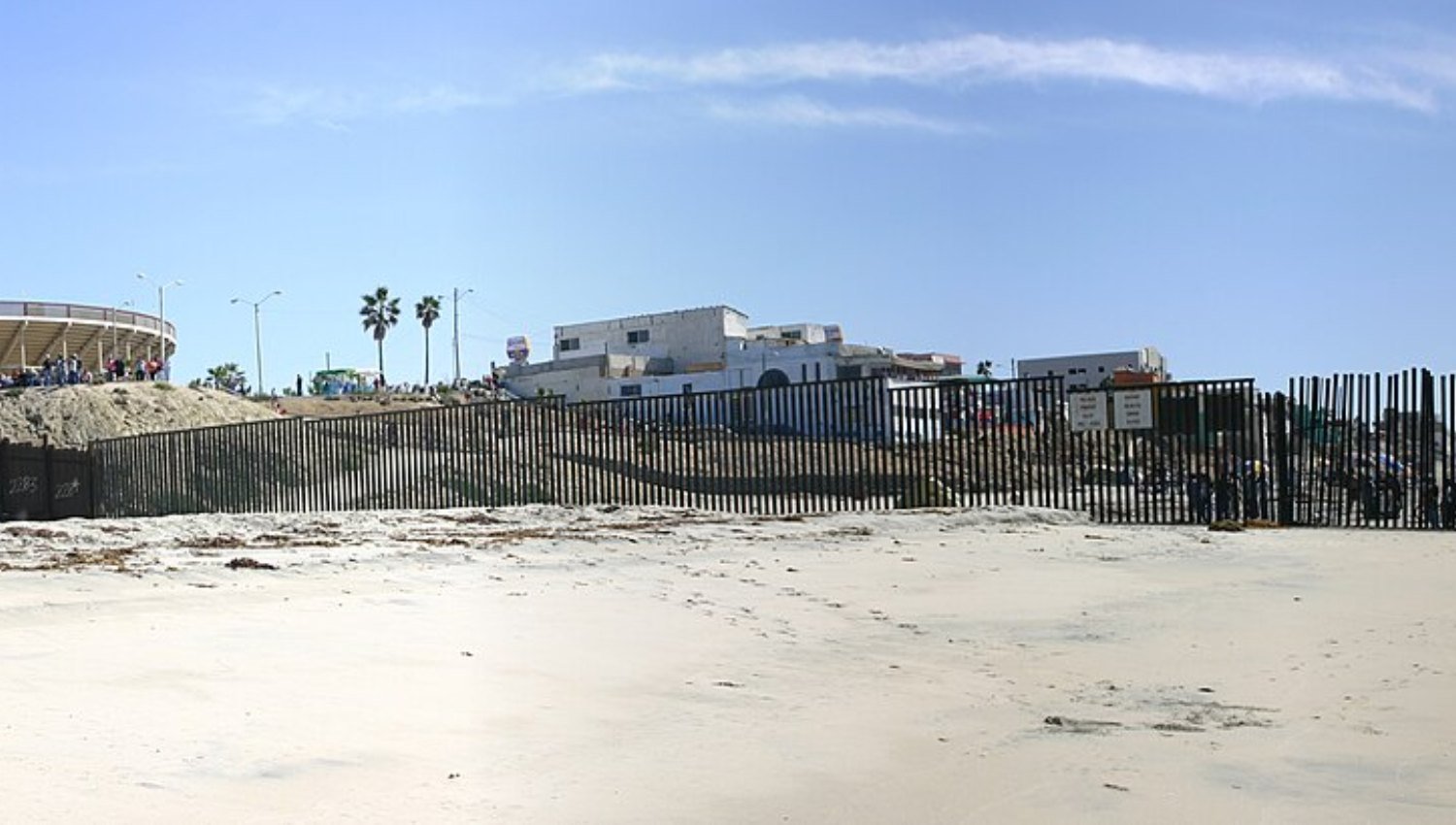
The images from the Spanish enclave of Ceuta were startling: thousands of migrants surging toward Europe’s doorstep in a matter of hours. The question that lingered was more uncomfortable than the scenes themselves. Did Morocco simply let it happen, and if so, why?
The suspicion, aired by analysts and Spanish officials alike, is that border control had become a diplomatic instrument. When relations between Rabat and Madrid or Brussels sour, the argument goes, enforcement quietly loosens, and the resulting pressure does the talking. It is coercion without a shot fired, leverage measured in human beings.
Morocco denies orchestrating anything, and the truth is hard to pin down; a hot afternoon and an overstretched patrol can produce the same result as a policy decision. But the pattern, real or perceived, has deepened Europe’s dependence on North African governments to police migration on its behalf.
For the migrants at the centre of it, the geopolitics are abstract and the stakes are total. Whether Ceuta was a message or an accident, the episode underscored an uneasy reality: in the standoff between Europe and its neighbours, the border itself has become the most powerful card on the table.