More than a third of the people who received the government’s P5,000 fuel assistance are not enrolled in any state programme such as the Social Security System or PhilHealth, according to a Social Weather Stations survey. The Office of the Executive Secretary released the findings on Tuesday, presenting them as an independent check on how the aid was delivered and whether it reached the right people.
The study was commissioned by the Australian government’s Spring Program, formally the Social Protection, Inclusion and Gender Equality Program. SWS interviewed a sample of 1,200 registered cash-relief beneficiaries of the Department of Social Welfare and Development on 26 and 27 May. All of them were covered by Uplift, the Unified Package for Livelihoods, Industry, Food, and Transport, which the government created to cushion households from higher living costs, energy emergencies and economic shocks tied to the Middle East crisis.
Most recipients said the money made a difference. Some 96 per cent said the P5,000 allowance helped them keep driving their routes, or return to them, despite high fuel prices. Eight in 10 said they spent part of the grant on food, and 84 per cent said they were satisfied with the staff who handled the payouts. The gap in social protection cover stands out against those positive ratings, since it shows many recipients have no safety net beyond one-off cash help.
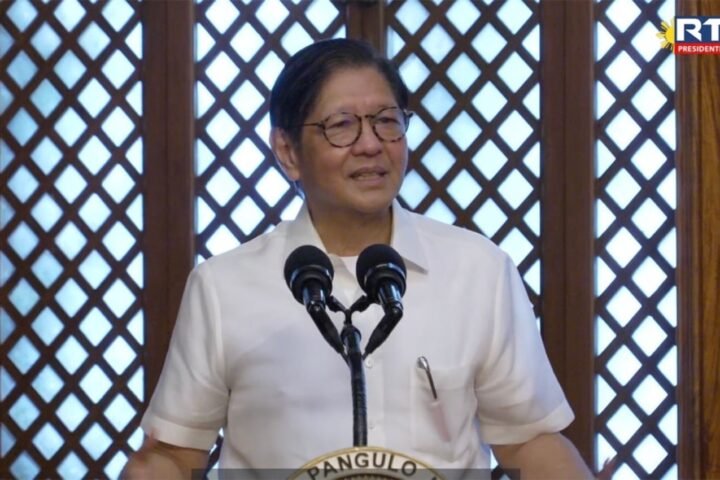
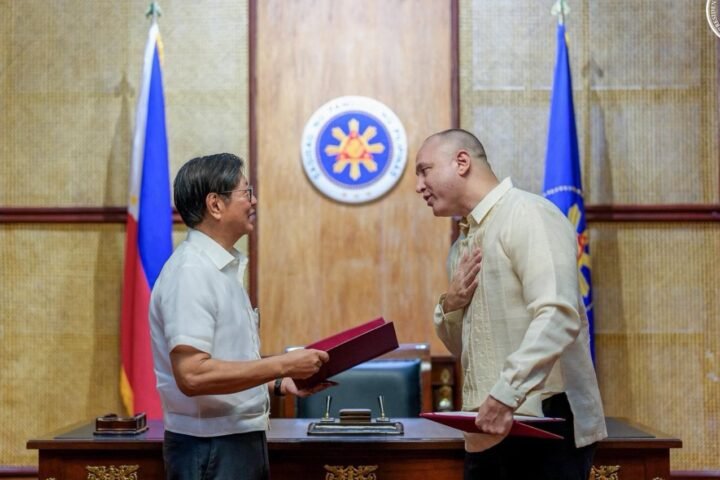
Executive Secretary Ralph Recto welcomed the results, saying an independent survey gives the government concrete feedback on whether its aid reaches the people it is meant for. He said the lessons would be used to improve delivery and give workers more lasting support, pointing to the welfare department’s beneficiary database as a way to link vulnerable workers with other services. “This proves that the President’s timely assistance is working,” Recto said.
On the orders of President Ferdinand Marcos Jr., Uplift cash aid has since been widened to 7.5 million poor and low-income households hurt by rising oil prices linked to the renewed Middle East conflict, with each household eligible for up to P12,000. The expanded scheme covers transport workers, beneficiaries of the Pantawid Pamilyang Pilipino Program and the Walang Gutom Program, poor and near-poor families identified through the Community-Based Monitoring System who sit outside those two programmes, and low-income workers covered by the SSS.