A newly enacted measure removes the requirement that Philippine schools teach science and mathematics through mandatory spiral progression, ending a decade-long approach that had drawn steady criticism from teachers who said it spread subjects too thinly to master any of them.
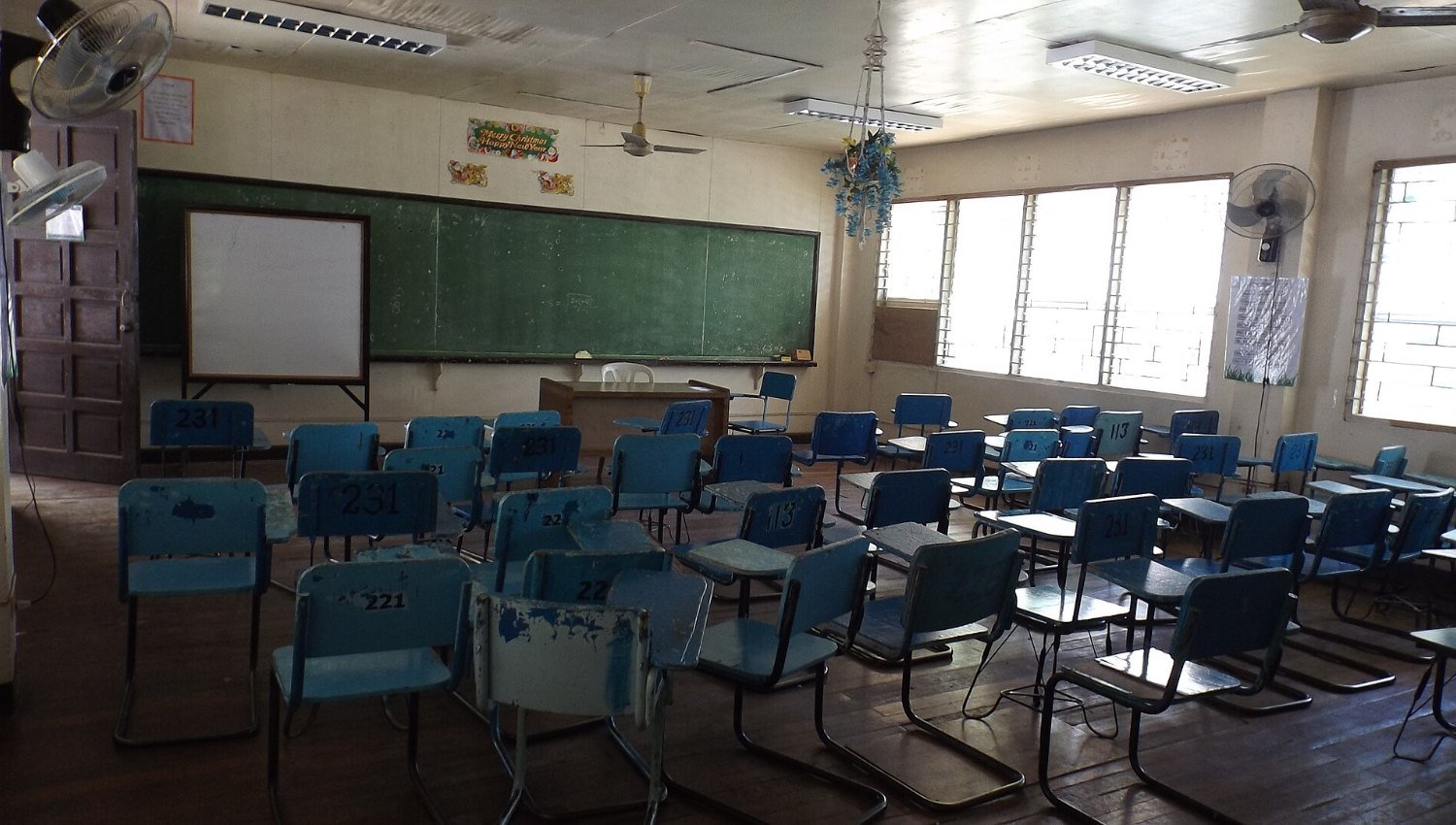
Under the spiral model introduced with the K-12 program, students encountered biology, chemistry, physics, and earth science each year in rotating slices rather than studying one discipline in depth before moving to the next. Supporters had argued the design reinforced concepts over time. In classrooms, many educators reported the opposite: teachers stretched across subjects outside their specialization, and students who never built momentum in any single field.
The new law gives curriculum planners flexibility to organize subjects in the sequence they judge most effective, including a return to discipline-by-discipline instruction in the upper years. Officials framed the change as a correction rather than a repudiation, keeping the broader K-12 structure intact while loosening a mandate that had become a lightning rod.
Teacher groups largely welcomed the shift, though several cautioned that the benefit depends on execution. Retraining, updated textbooks, and clear guidance will determine whether the change reaches students or stalls in administrative transition. Others noted that specialization pressures the supply of qualified science and math teachers, already thin in many public schools.
For a system that has spent years defending its reforms against uneven results, the reversal signals a willingness to revisit design choices when evidence from classrooms points the other way. The coming school years will test whether flexibility translates into stronger learning or simply a different set of trade-offs.