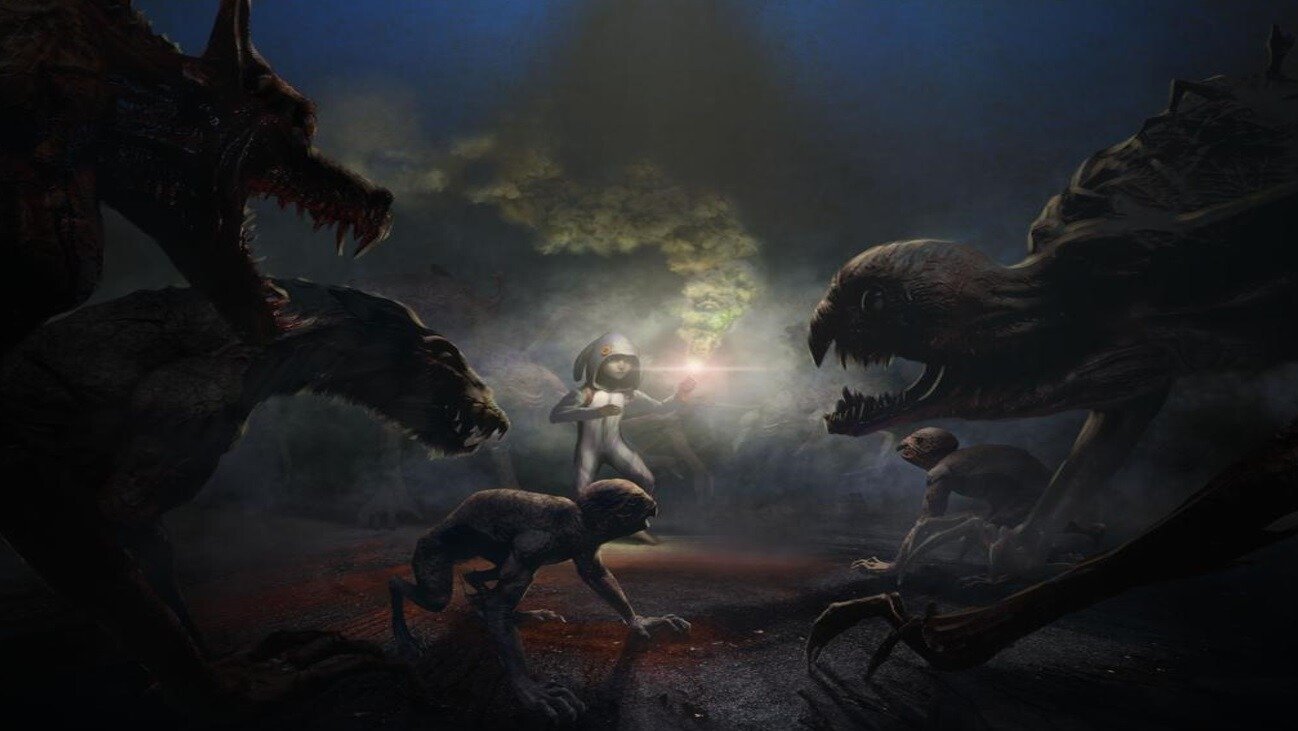
Empty hallways stretch under flickering fluorescent lights. Rusted carnival rides creak in darkness. Lockers hang open, their contents spilled across cracked tile floors. Each image from Midnight Strikes triggers something deeper than simple recognition—these spaces feel personal, pulled from collective memory and warped into something sinister. The high school gymnasium where you once played basketball now hosts shadows that move wrong. The carnival where you ate cotton candy and won cheap prizes has become a maze of twisted metal and whispered threats.
Lonely Rabbit builds its entire horror philosophy around these childhood locations. The studio currently produces Midnight Strikes, a PC game targeting youth and young adults that drops players into environments they know intimately, then asks them to survive what those spaces have become. Players must solve puzzles while evading bizarre and terrifying creatures, balancing cognitive challenges against immediate physical danger. The game adopts a cinematic and otherworldly feel, creating what the studio describes as a menacingly beautiful atmosphere where survival depends on confronting fear of the unknown inside places that once felt safe.
Memory As A Weapon
Horror games saturate the market, but few weaponize personal history as effectively as Midnight Strikes. Where Little Nightmares plays with scale and proportion, and Bendy and the Ink Machine leans into vintage animation aesthetics, Lonely Rabbit mines something more universal. Everyone remembers their high school. Everyone recalls a carnival or fair from childhood. Those memories carry emotional weight—first crushes, social anxieties, the thrill of staying out after dark, the taste of cheap snacks, the smell of old textbooks.
Midnight Strikes corrupts those associations deliberately. The horror emerges from dissonance: recognizing a space while simultaneously understanding it has become hostile. Your brain insists these locations should feel familiar and manageable. The game proves otherwise. Creatures inhabit the same hallways where you once rushed to beat the bell. Puzzles hide in carnival game booths where you once tried to win stuffed animals. The friction between what these places meant and what they now represent creates psychological tension that jump scares alone cannot match.
Building Anticipation Before Release
Lonely Rabbit operates with dual objectives during production. The studio targets an eight-month completion window while simultaneously pursuing a well-known publisher within two months. Neither goal exists independently—securing a publisher requires demonstrating audience interest, while building that audience requires showing the game deserves attention in a crowded market.
The studio deliberately drums up followers and traction before releasing Midnight Strikes. Early interest serves multiple purposes: it validates the concept of nostalgic horror, provides data points for publisher negotiations, and lays a foundation for eventual sales. Lonely Rabbit seeks global exposure, positioning the game for international audiences rather than regional markets. The nostalgic horror angle reinforces this strategy—high schools and carnivals are ubiquitous, making the emotional hooks culturally transferable, even when specific details vary.
Why Nostalgia Resonates With Younger Players
Young adults and teens live suspended between childhood and the next stage of life. They inhabit a peculiar temporal realm where childhood memories remain vivid yet increasingly distant. High school might have ended recently or could still be happening. Carnivals and fairs still pop up annually, triggering flashbacks to earlier visits when everything felt bigger and stranger.
Midnight Strikes taps directly into that liminal state. The game asks players to revisit spaces from their recent past, now rendered threatening and unfamiliar. Each location carries associations—friendships formed in cafeterias, anxiety attacks before tests, the dizzy excitement of carnival rides, and holding hands on a Ferris wheel. The studio weaponizes those connections, turning emotionally charged spaces into survival challenges. Players confront distorted echoes of their own experiences, making the horror feel intimate rather than abstract.
Lonely Rabbit bets everything on this approach. The studio uses nostalgic horror as its distinguishing feature, the concept that separates Midnight Strikes from dozens of other horror titles competing for attention. Every screenshot released, every development update shared, reinforces the same message: childhood spaces can become nightmares, and those nightmares feel more frightening because you remember when they felt safe. That clarity gives publishers a marketing angle and gives players a reason to care before the game ever reaches their screens.
The strategy acknowledges a simple truth about modern game development: standing out requires more than just quality execution. Studios must articulate what makes their game different, then build communities around that difference before release. Lonely Rabbit chose memory as its battlefield, transforming shared experiences into stages for new fears, and hoping that resonance proves strong enough to carry them from production to publication to players’ hard drives.