
Across the world, governments face an uncomfortable truth. They built the dams. They erected the power plants. They laid the transmission lines. Billions in taxpayer capital created energy infrastructure that now sits idle for hours each day. Peak capacity was designed for demand that materializes only occasionally. The rest of the time, turbines spin without purpose. Generators hum with nowhere to send their output. Sovereign nations watch their investments depreciate while producing nothing of value. The irony is brutal: states own the means of production but lack the means of monetization.
Economics dictates that idle assets eventually find a buyer. A solution has emerged from an unlikely corner of the technology sector. Adidamm does not purchase power like a typical industrial consumer. They propose equity partnerships directly with governments, treating underutilized state infrastructure as a capital asset rather than a sunk cost. Their model places high-density computing operations at the physical site of generation, absorbing baseload power that grids cannot distribute. It creates a sovereign wealth mechanism where the state retains ownership, gains a revenue partner, and finally extracts value from infrastructure that has been bleeding capital for years.
Critics often frame Bitcoin mining as a drain on public resources. Adidamm inverts this logic entirely. They argue that by converting stranded megawatts into digital assets, they transform liabilities on government balance sheets into income-generating partnerships. This is not a purchase agreement. It is a joint venture structure. The company offers equity stakes rather than simple power purchase agreements, aligning incentives between the miner and the state. Governments become stakeholders in the operation, sharing in the upside while finally monetizing infrastructure that voters paid for but rarely benefits them directly.
“The most undervalued asset in the world right now is idle government infrastructure,” says Scott Richards, Adidamm’s founder and a proven entrepreneur in the crypto mining sector. “We’re not here to buy electricity. We’re here to partner with nations that understand their power plants are equity, not expenses.”
Markets today demand return on infrastructure investment. Sovereign debt burdens are climbing. Infrastructure maintenance costs never stop. State-owned utilities operate at thin margins or outright losses in many jurisdictions. Adidamm addresses this fiscal reality with a model they call “Sovereign Infrastructure Monetization.” Rather than simply leasing space or buying electricity, they structure deals where governments contribute their underutilized generation capacity as equity. The state’s contribution is quantified, valued, and converted into ownership stakes in mining operations that generate hard currency returns. Trust becomes the foundation of these partnerships, and transparency acts as the mortar.
The First Pillar Of Discipline
Adidamm derives its name from a fusion of the Sanskrit word “Adi,” meaning “first,” and the Old Norse word “Damm,” which implies judgment or fortitude. The moniker frames the company as the “First Pillar of Discipline.” Such positioning is deliberate. Governments do not partner with cowboys. They require counterparties who operate with institutional rigor. Volatility terrifies treasury departments. Budget planners need predictability, not moon-shot promises. Adidamm attempts to provide exactly that through algorithmic treasury management that smooths Bitcoin’s notorious price swings into stable, projectable returns suitable for sovereign balance sheets.
Stability requires more than good intentions. Most miners chase the highest hash rate at any cost. Adidamm structures its operations like a sovereign wealth fund—capital preservation first, speculative gains second. Every partnership is governed by contractual discipline and transparent reporting. This approach builds credibility with finance ministries that have watched too many foreign companies extract resources while leaving local economies worse off. The equity model changes the dynamic. When the state owns a percentage of the operation, exploitation becomes impossible. Alignment of interest replaces suspicion.
Richards built his reputation in the crypto sector by anticipating regulatory shifts before they became existential threats. His previous ventures demonstrated an ability to navigate the chaotic early years of digital assets with uncommon discipline. That experience informs Adidamm’s current approach. “I’ve watched companies implode because they treated governments as obstacles rather than partners,” Richards observes. “The smart money understands that sovereign alignment is the only path to scale in this industry.”
Global infrastructure is aging rapidly. Nations from Central Asia to South America built power systems decades ago for industrial bases that have since moved offshore. The steel mills closed. The aluminum smelters shuttered. The energy infrastructure remains, often maintained at significant cost despite chronic underutilization. Adidamm targets these exact scenarios for partnership. They seek jurisdictions where generation capacity exceeds domestic demand, where transmission losses are high due to distance, and where governments are desperate for ways to monetize sunk capital investments. These are the conditions where their equity partnership model creates genuine value for both parties.
The mathematics are straightforward. A hydroelectric dam built with $500 million in public funds that operates at 40% utilization is destroying value. The fixed costs of maintenance, staffing, and debt service continue regardless of output. Every kilowatt-hour that does not reach a paying customer represents pure loss. Adidamm proposes absorbing that excess capacity in exchange for equity stakes tied to the value of that power. The state contributes infrastructure it already owns. The company contributes capital, technology, and operational expertise. Both parties share in revenues generated from securing the Bitcoin network. It transforms a depreciating asset into an appreciating investment.
Securing Sovereignty And Value
Sovereignty is a sensitive topic. Nations guard their critical infrastructure jealously, and rightly so. Energy independence is national security. Adidamm understands this instinct deeply. Their partnership model is designed to enhance sovereign control, not diminish it. The state retains ownership of all physical infrastructure. They maintain operational oversight of generation facilities. What changes is the addition of a revenue-positive off-taker that operates 24/7/365, providing baseload demand that stabilizes grid operations and generates returns from previously idle capacity.
Security protocols matter immensely in these discussions. Finance ministries will not partner with operations that cannot demonstrate institutional-grade security. Adidamm’s infrastructure employs ISO 27001-aligned standards, creating an environment that meets the requirements of central banks and sovereign wealth funds. Physical security, cyber defenses, and operational transparency are not optional—they are prerequisites for government partnerships. The company’s “secure-by-design” framework anticipates the scrutiny that sovereign partners rightfully demand.
Digital assets are entering the mainstream financial system. Central banks are exploring digital currencies. Nations are reconsidering their approach to monetary sovereignty in a multipolar world. Adidamm positions itself at this intersection. They argue that Bitcoin mining can become a tool of economic policy, a way for resource-rich but capital-poor nations to leverage natural endowments into hard currency reserves. A country with excess hydroelectric capacity can convert flowing water into digital gold, building reserves without depleting natural resources or accumulating foreign debt.
Richards frames it more bluntly: “A government sitting on underutilized renewable infrastructure while its currency depreciates is making a choice—just not a smart one. We offer them a way to turn physics into finance.”
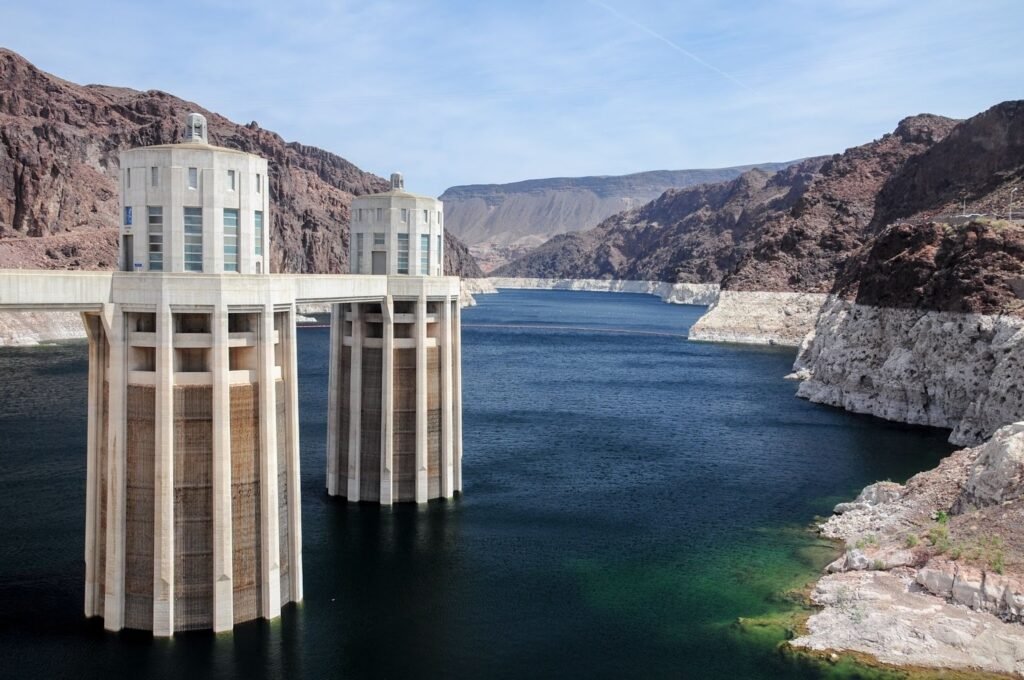
Local impact extends beyond revenue. Mining facilities create technical jobs. They require engineers, electricians, security personnel, and administrative staff. When structured as sovereign partnerships, these facilities become showcases of domestic technological capability. Young engineers see career paths that do not require emigration. Local universities develop curricula around digital infrastructure. The knowledge transfer is real and lasting. Adidamm frames their data centers not as foreign extraction operations, but as joint ventures that build domestic capacity while generating returns for the public treasury.
A Sovereign Wealth Mechanism
Sovereign wealth funds exist to convert natural resources into financial assets that outlast the depletion of those resources. Norway built its fund on oil. Alaska built its fund on petroleum revenues. Adidamm proposes a similar mechanism using electricity as the natural resource. The difference is that electricity is renewable. A hydroelectric dam does not deplete. A wind farm does not run dry. Geothermal plants can operate for decades. Converting this perpetual resource into digital assets creates a sovereign wealth mechanism that compounds indefinitely.
The equity structure matters enormously. Traditional power purchase agreements extract value from the state. The mining company pays for electricity, the government receives revenue, and the relationship is purely transactional. Equity partnerships change the equation. The government becomes an investor, sharing in the profits that exceed simple power costs. When Bitcoin appreciates, the state appreciates. When operations become more efficient, the state benefits. It aligns incentives in ways that simple contracts cannot.
Planetary constraints are tightening. Carbon commitments are becoming binding. Renewable energy mandates are accelerating. Adidamm’s model positions governments to meet climate targets while generating economic returns. Every megawatt consumed from a state-owned renewable facility is a megawatt that demonstrably reduces global carbon emissions. The mining operation becomes evidence of climate action, not contradiction. For governments facing pressure from international bodies on both climate and fiscal responsibility, this dual benefit is politically invaluable.
Globalization created mobile capital that serves no master. Corporations extract resources and repatriate profits, leaving local economies hollowed out. Equity partnerships with sovereign states flip this dynamic. Capital becomes sticky. Profits are shared. The mining operation succeeds only if the government succeeds. It creates a mutual dependency that breeds long-term commitment rather than short-term extraction. Adidamm is betting that this alignment will prove more durable than traditional corporate relationships with governments.
Skeptics will remain. Resource nationalism has failed before. Joint ventures have collapsed into disputes over valuations and control. Adidamm must constantly prove that their model delivers what it promises. Transparent accounting, audited performance metrics, and regular reporting to sovereign partners provide the foundation. However, the ultimate test is whether governments that partner with Adidamm see measurable improvements in their fiscal positions. Can they point to revenues that did not exist before? Can they demonstrate that their infrastructure investments are finally paying dividends?
The “First Pillar of Discipline” implies unwavering commitment to the partnership model even when market conditions sour. When Bitcoin crashes, the temptation to cut corners or renegotiate terms will be intense. True discipline means honoring agreements in down markets as readily as in bull runs. This consistency is what separates genuine partners from opportunistic extractors. History shows that few companies maintain such discipline, but those that do become trusted counterparties to governments worldwide.
Richards has navigated enough boom-and-bust cycles to understand this reality viscerally. “Discipline isn’t tested when everything works,” he notes. “It’s tested when the market turns against you and your government partner is watching to see if you’re still committed to the terms you shook hands on.”
Redefining Infrastructure Value
Adidamm proposes a paradigm shift in how sovereign states view their energy infrastructure. These assets need not be simple utilities. They can be equity contributors to wealth-generating partnerships. Every dam, every wind farm, every geothermal plant becomes a potential participant in a global digital economy. The state brings the energy. The company brings the technology. Both share in the value created. It challenges the assumption that infrastructure is merely a cost center to be maintained rather than an asset to be leveraged.
Perhaps the solution to underutilized state infrastructure is not better planning or increased domestic demand. Perhaps it is finding global demand that can flex to meet supply wherever and whenever it exists. If Adidamm succeeds, they will not just mine Bitcoin. They might fundamentally alter how governments think about the relationship between their physical assets and their sovereign wealth. The first pillar stands not on sand, but on the bedrock of mutual prosperity between states and the digital economy they are only beginning to understand.