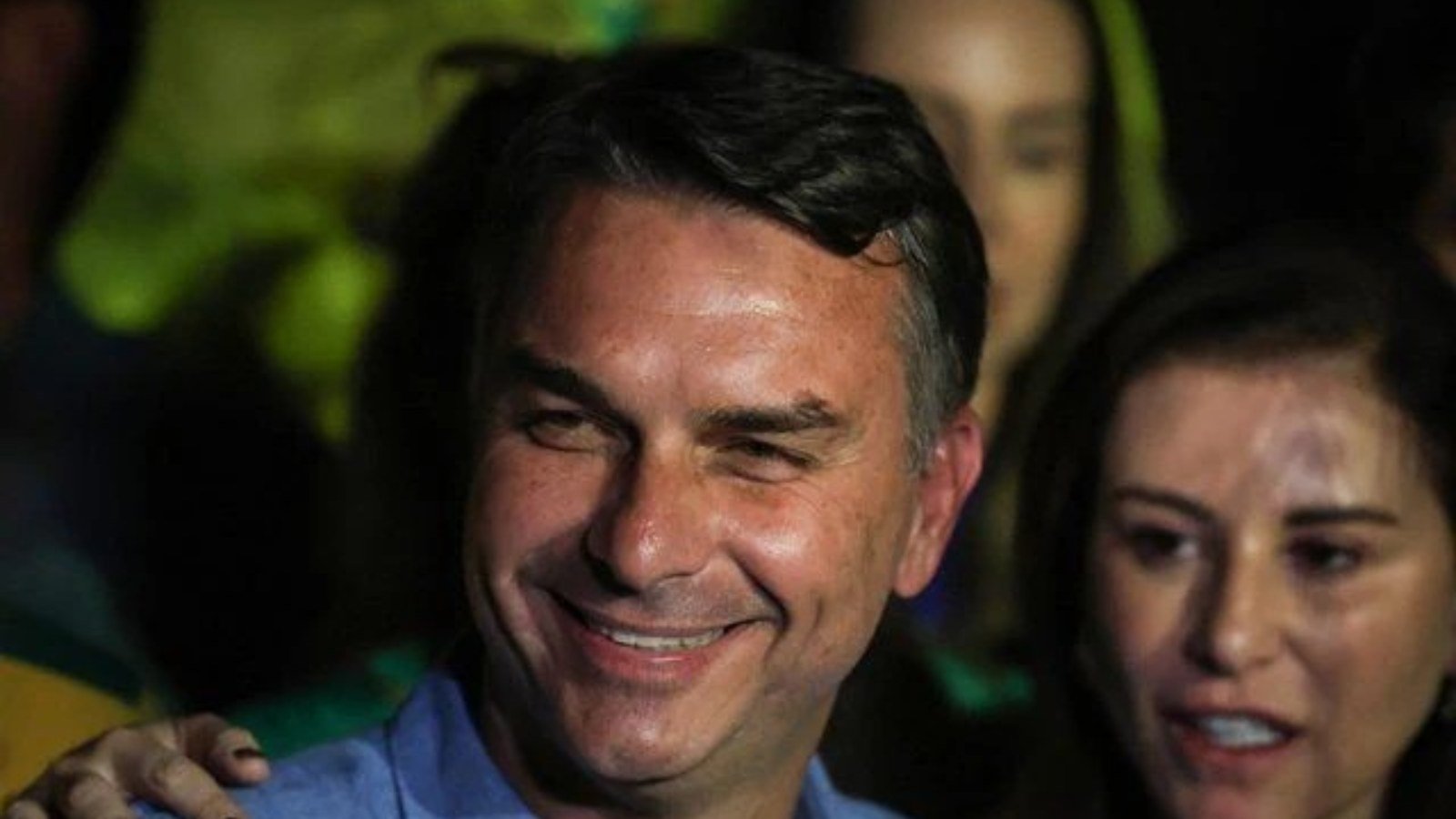
Brazilian senator Flavio Bolsonaro finished ahead of President Luiz Inacio Lula da Silva in Sunday’s presidential election, pushing the contest to a runoff on October 25. Bolsonaro, the son of far-right former leader Jair Bolsonaro, won 47 percent of the vote against 45 percent for Lula, a result that went against opinion polls showing the incumbent in front.
Right-wing candidates also won by wide margins in parliament, a heavy setback for Lula, who is almost 81 and seeking a fourth term. The veteran leftist framed the race as a fight between democracy and “barbarism” and warned voters that US pressure put Brazil’s sovereignty at stake. The Bolsonaro family made gains of its own: former first lady Michelle Bolsonaro and Carlos Bolsonaro both won Senate seats, and Jair Bolsonaro’s youngest son, Jair Renan, 28, was elected a federal lawmaker.
Flavio Bolsonaro, 45, had a low national profile until his jailed father named him his political heir, and he had never shown an interest in following him into the top job. During the campaign it emerged that he was under investigation for corruption over the financing of “Dark Horse,” a biopic about his father funded by jailed banker Daniel Vorcaro, who is himself under investigation in a major financial scandal. Many voters appeared unmoved. The result marks a comeback for the family after Jair Bolsonaro lost his 2022 re-election bid, which was followed by violent riots in the capital and his conviction last year for attempting a coup.
US President Donald Trump said he was watching the vote “very closely” but did not endorse Bolsonaro. Washington has used tariffs and sanctions to pressure Brazil over issues ranging from the trial of Jair Bolsonaro to alleged unfair trade practices, and Lula has repeatedly told Trump not to meddle in the election. Lula has also promised that Brazil will keep control over the development of its large rare earth reserves, while Flavio Bolsonaro has pitched the country as a way for the United States to reduce its reliance on China for those minerals.
Lula won back the presidency in the 2022 elections after being jailed on a corruption conviction that was later thrown out on procedural grounds. His third term has seen inflation and unemployment fall and deforestation in the Amazon drop sharply, but voters complain about the high cost of living. A Bolsonaro victory would make Brazil the latest Latin American country to swing to the right, a trend Trump has championed.