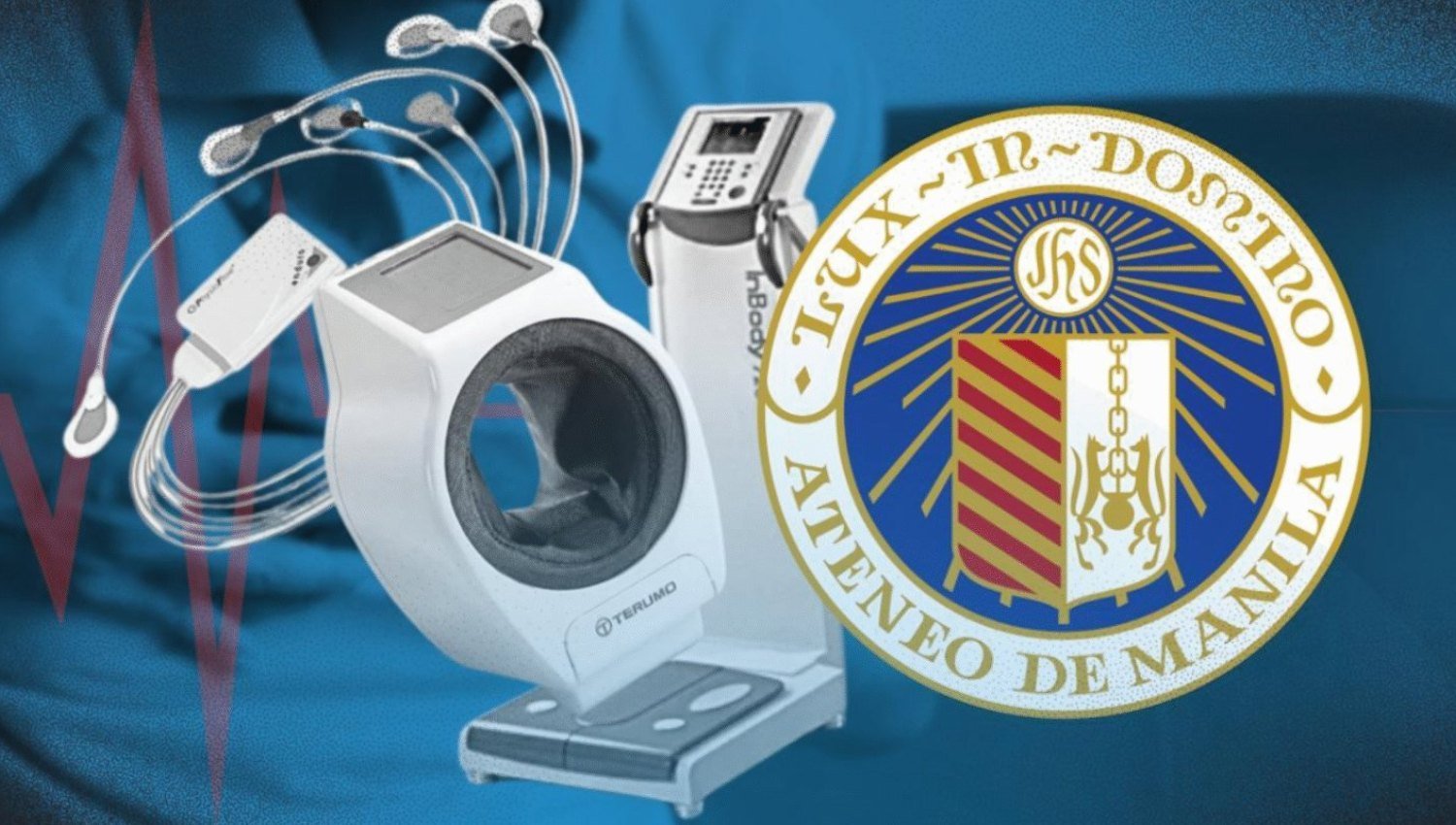
A team of researchers led by Ateneo de Manila University has built an artificial intelligence model that can gauge how effectively a person’s heart is pumping without any of the usual invasive equipment. If it holds up in wider testing, it could make a piece of serious cardiac monitoring far cheaper and more portable than it is today.
The work was led by Patricia Angela Abu of the university’s Department of Information Systems and Computer Science, working with an international group of scientists. The model predicts what clinicians call the cardiac index, a measure of how much blood the heart moves relative to body size. Instead of the specialised hemodynamic analysers that usually produce that number in a controlled clinical setting, the system reads simple physiological signals, heart rate, stroke volume index and cardiac output, collected through non-invasive sensor stickers placed on the skin.
The reported results are strong. According to Ateneo’s research communications team, the model reached a classification accuracy of 97.78%. The study, titled “Robust Non-Invasive Cardiac Index Prediction via Feature Integration and Data-Augmented Neural Networks,” was published in the April 2026 issue of the MDPI journal Bioengineering.
The appeal is obvious in a country where specialist cardiac equipment and staff are concentrated in a handful of big hospitals. A monitoring approach that works from skin sensors and a trained algorithm, rather than a room full of machines and specialists, is exactly the kind of thing that can travel to a provincial clinic.
The team is clear that this is a research milestone, not a finished product. Their next steps are to validate the model across more diverse groups of patients and to see whether they can get reliable readings from even fewer measurements. Those are the unglamorous stages where promising medical AI usually either proves itself or quietly falls apart. For now, a Filipino-led team has a genuinely interesting result and the honesty to say it still needs testing.