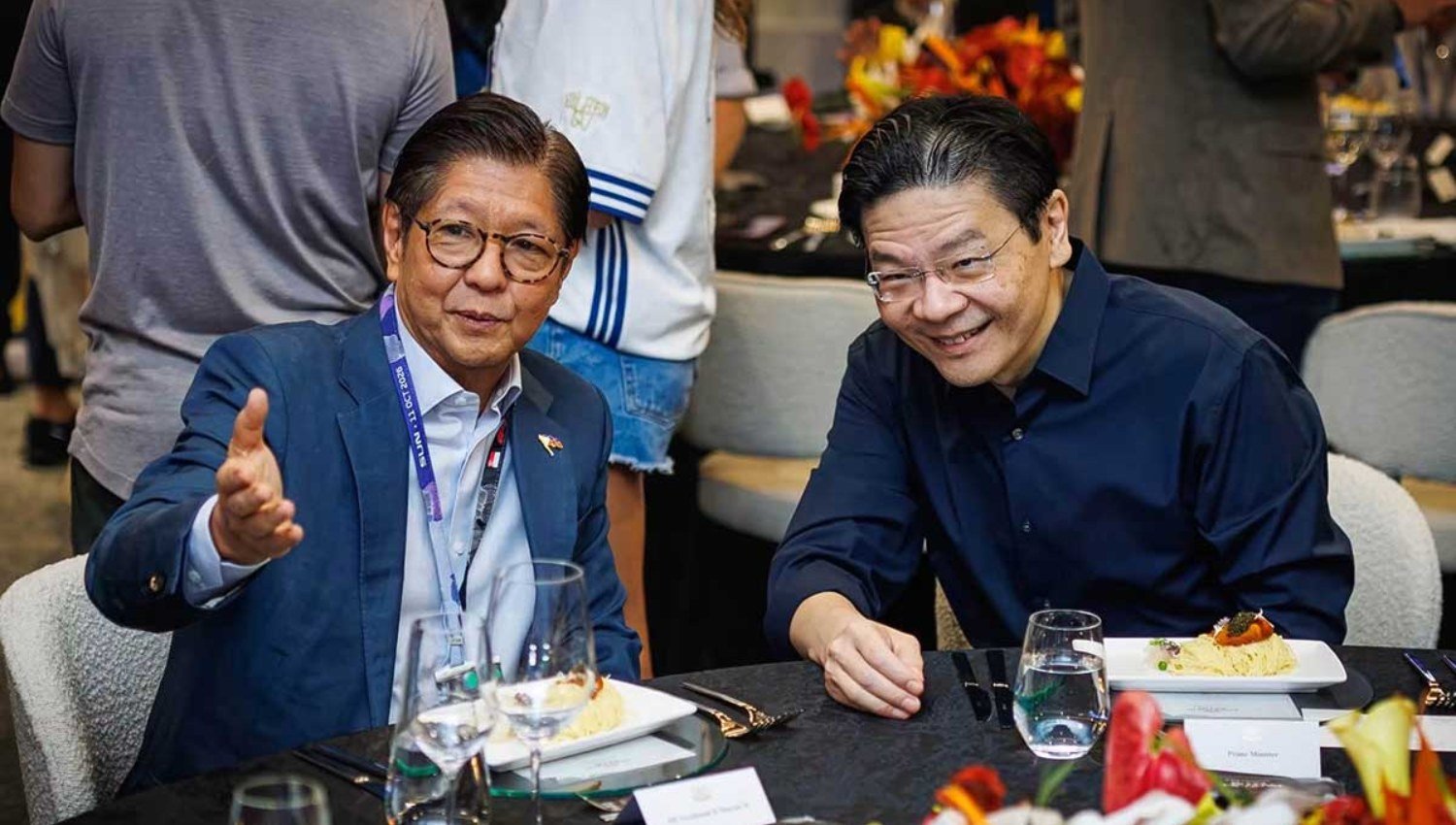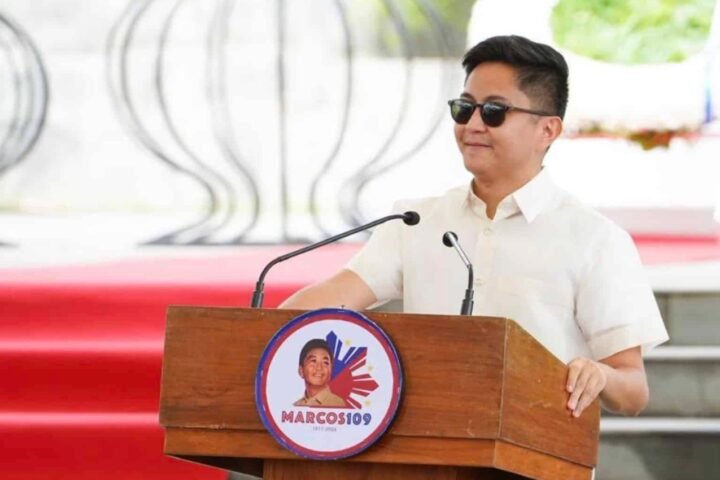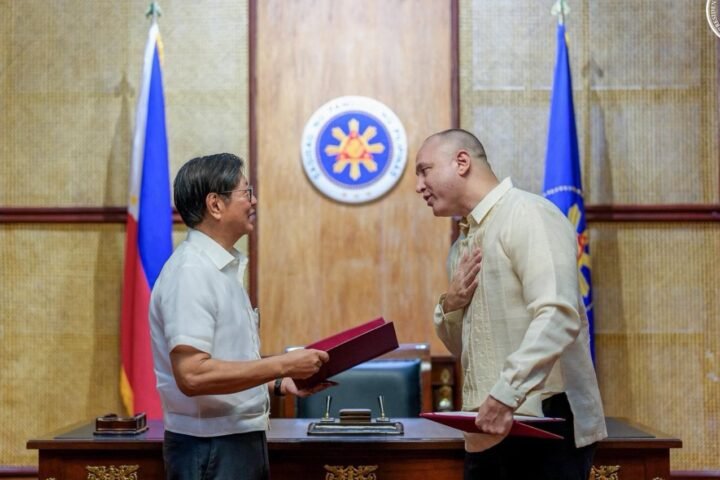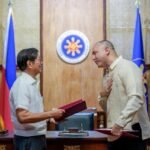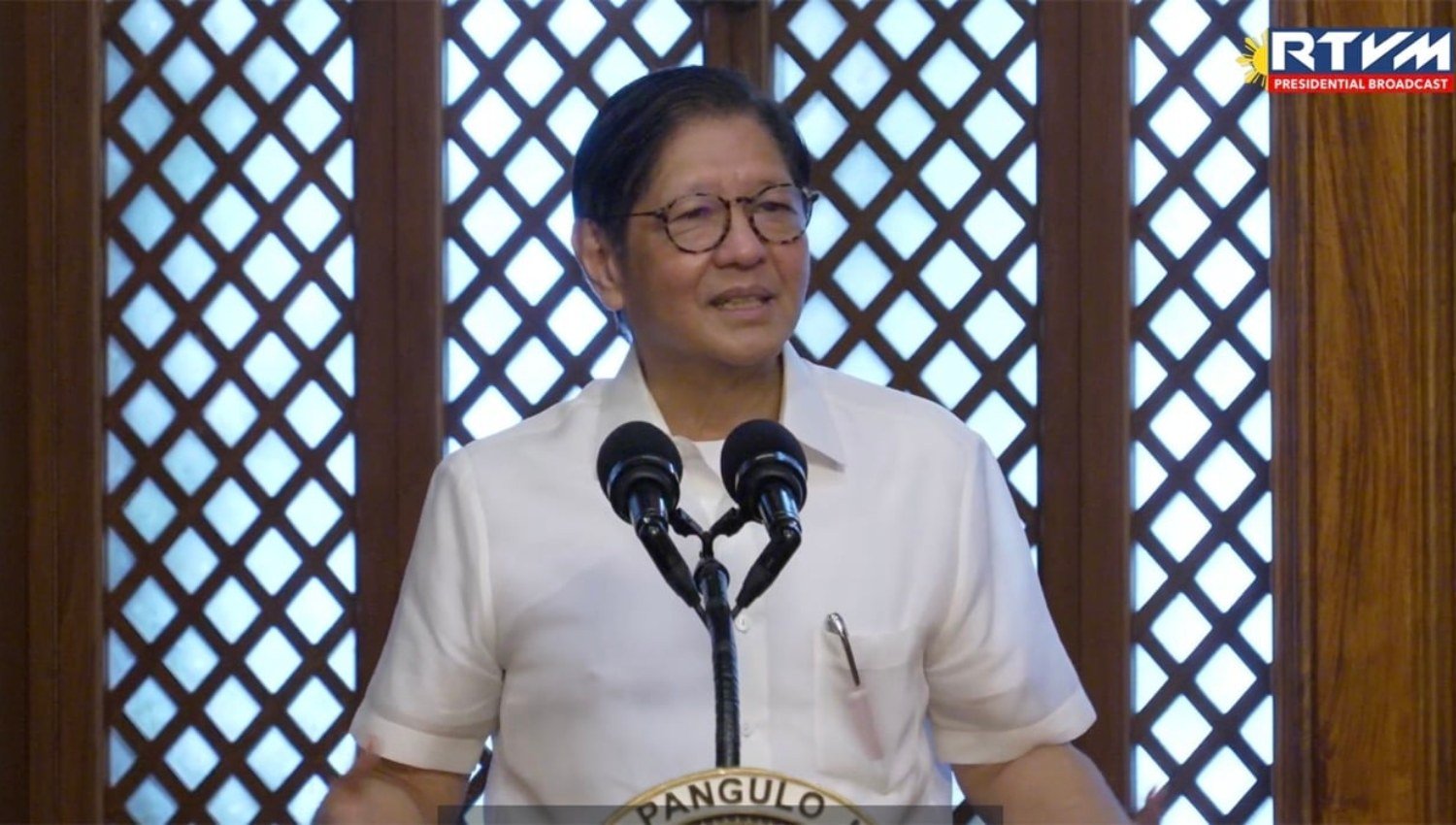
President Ferdinand Marcos Jr. has said indigenous communities and their burial sites will not be displaced as the government moves ahead with the US-led Pax Silica initiative. He gave the assurance on Tuesday, 13 October, during a short question-and-answer session at Malacañang Palace, responding to concerns raised about the project’s effect on ancestral lands and the people who live on them.
The president was speaking at the President’s Hall right after newly elected officers of the Malacañang Media Groups took their oath. Asked about concerns over cultural sites, he said the government was handling the matter with care and that such concerns are part of the ongoing talks. “We are very sensitive to that,” Marcos said, adding that people should not worry. He said he would not allow those sites to be put at risk.
Marcos was also asked how the government would answer fears that the project could threaten local livelihoods. He said he could not see how such a development would endanger people’s ways of earning a living, and he described the project as one expected to generate tens of thousands of jobs for Filipinos, a figure he cited as evidence of the benefits. The jobs estimate was the main argument he offered for why communities near the project stand to gain rather than lose.
The president framed Pax Silica as part of a wider effort to place the Philippines within the supply and value chains of the digital economy and the emerging artificial intelligence industry. As 2026 chair of the Association of Southeast Asian Nations, he said he had helped set a regional road map on AI before Pax Silica came about, and argued the project should have the opposite effect to the one the question suggested. “It should have exactly the opposite effect,” he said.
Palace press officer Claire Castro said the Bases Conversion and Development Authority has submitted to the president the legal framework for using a 1,620-hectare advanced manufacturing park in New Clark City. According to Castro, the authority and its US development partner are still negotiating the details of their partnership agreement and expect to sign it before the end of 2026. The signing would mark the next formal step for the initiative, after which the president’s assurances on indigenous sites will be tested as the park moves from plans to construction.