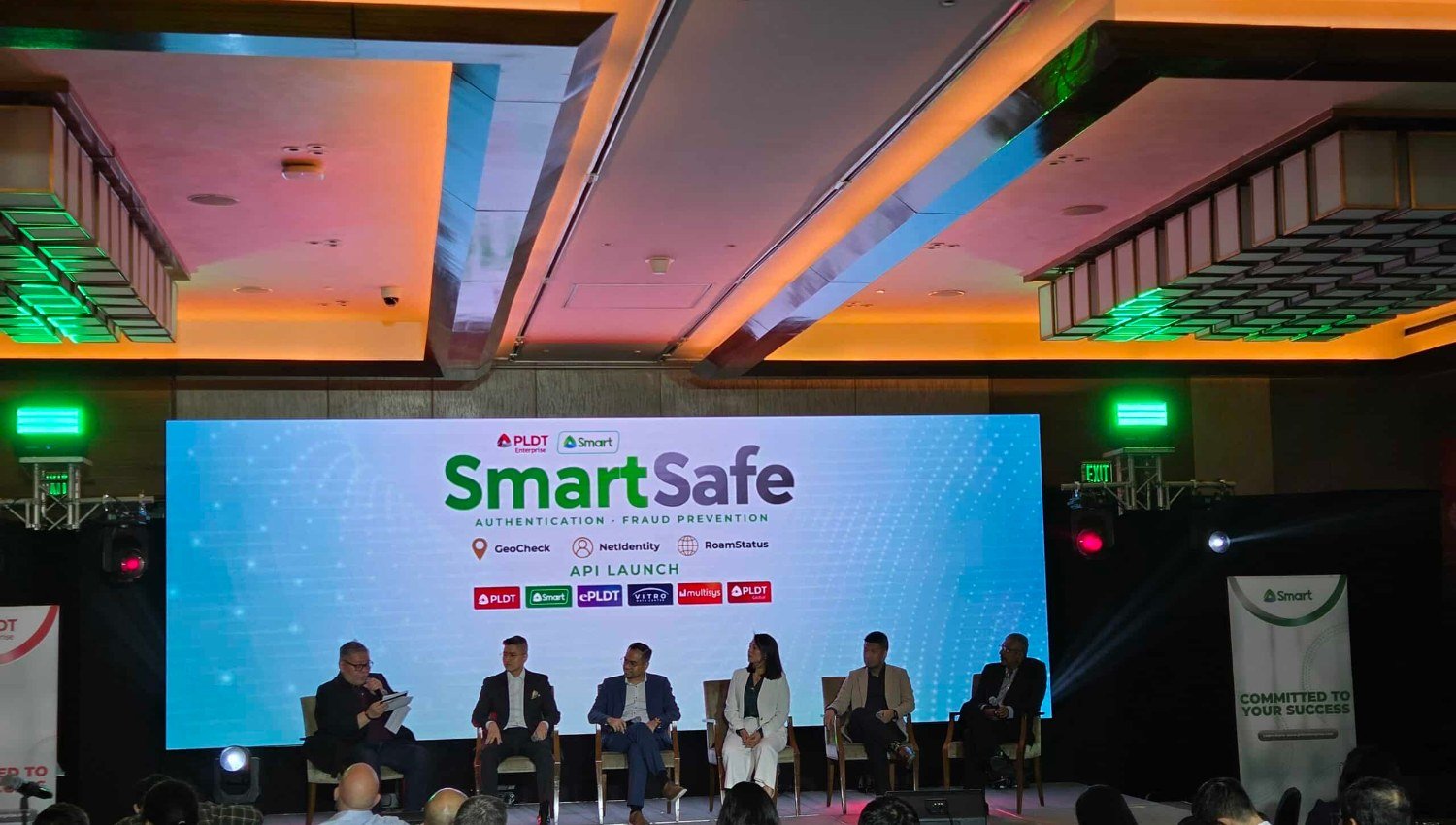
PLDT Enterprise is rolling out SmartSafe SilentAccess, a verification service that confirms a user’s identity through the mobile network instead of a six-digit text message. The company built the system with the GSMA and Nabstract, and the API is now being offered to enterprise customers.
The service targets a familiar problem for Filipino mobile users. One-time passwords sent by SMS can arrive late during network congestion, forcing users to request another code at checkout or while paying through an e-wallet. The codes are also easy to intercept and open to phishing, and SMS spoofers have hijacked 2G signals to reach phones. Banks have begun moving away from OTPs in search of a safer method. For users, the weaknesses show up as missed payments, failed log-ins and a steady flow of messages from fraudsters asking them to share a code.
SilentAccess works in the background with no extra step for the user. It uses network-level telemetry, communicating with the SIM card and the cell tower to verify identity in about five to seven seconds. The check looks at how long the SIM has been in the same handset, whether the user’s location matches the transaction and whether there are roaming anomalies. Because no code is typed in, phishing is removed as a route of attack, and a SIM swap or a cloned device should trigger an immediate block.
The system is not meant to replace biometrics such as Face ID and is designed to run alongside them. It also has limits. When it cannot connect, for example when a phone is on Wi-Fi or the device is outside the Smart network, the process falls back to the traditional OTP. That means users on other networks will still see text-message codes for now. The company describes the overall setup as a zero-trust approach, in which every transaction is checked against signals from the network rather than a code the user must type.
The rollout comes as more Filipinos use phones for e-wallet payments and to log in to government portals, both areas where account takeovers cause real losses. If banks and other institutions adopt the API, users on the Smart network could see fewer codes at checkout. How widely it spreads will depend on enterprise uptake and on whether similar network checks become available across other carriers.