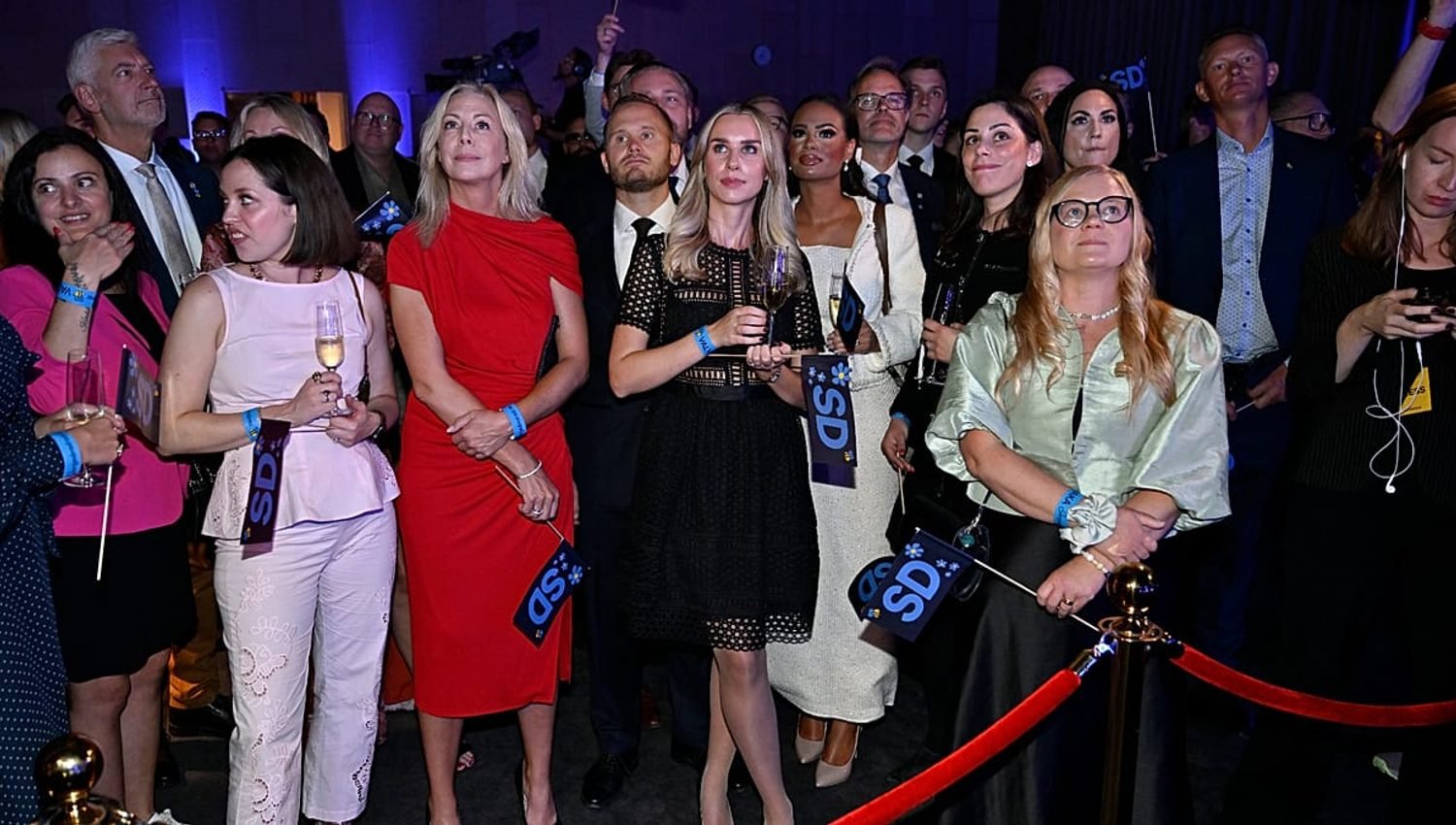
A centre-left bloc led by the Social Democrats won a narrow victory in Sweden’s general election, according to results confirmed in the days after the September 13 vote. The alliance secured a majority of about three seats in the 349-member Riksdag, overturning the governing centre-right coalition. National tallies showed the two blocs separated by roughly 50,000 votes, one of the closest outcomes in recent Swedish history.
Prime Minister Ulf Kristersson, leader of the Moderate Party, said he would resign after his coalition lost its parliamentary base. His government had relied on support from the Sweden Democrats, a nationalist party that had grown into one of the largest forces in parliament. Kristersson had governed since 2022, and his departure clears the way for a change of administration once the new parliament formally convenes.
Magdalena Andersson, who leads the Social Democrats and briefly served as prime minister in 2021 and 2022, is positioned to return to the post. The Social Democrats remained the largest single party, and Andersson campaigned on the economy, welfare spending and public services. Forming a government will require agreement among the parties in her bloc, a process that can take time under Sweden’s proportional system. Under Swedish practice, the speaker of parliament nominates a candidate for prime minister, who must then survive a confirmation vote in the Riksdag.
The result reflected a tight contest over immigration, crime and the cost of living, issues that dominated the campaign. The Sweden Democrats posted a strong showing but fell short of carrying the right-leaning alliance to a second term. Turnout in Sweden is traditionally high, and election authorities processed a large share of postal and advance ballots before confirming the final distribution of seats. Certified results were published by the national election authority once overseas and late votes had been tallied.
The handover would mark another shift in a European political landscape where governing coalitions have changed hands repeatedly in recent years. Andersson has signaled continuity on Sweden’s membership of NATO, which the country joined in 2024, while promising adjustments to domestic policy. Attention now turns to coalition talks and the timetable for a parliamentary vote to confirm the next prime minister.