May 10, 2026
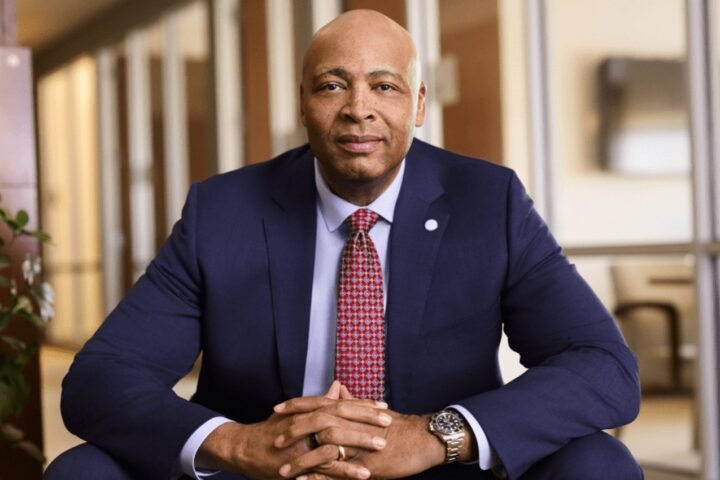
Q&A · Byline: Shem/ Baden Bower · Photo courtesy of Milton Coffee Co.
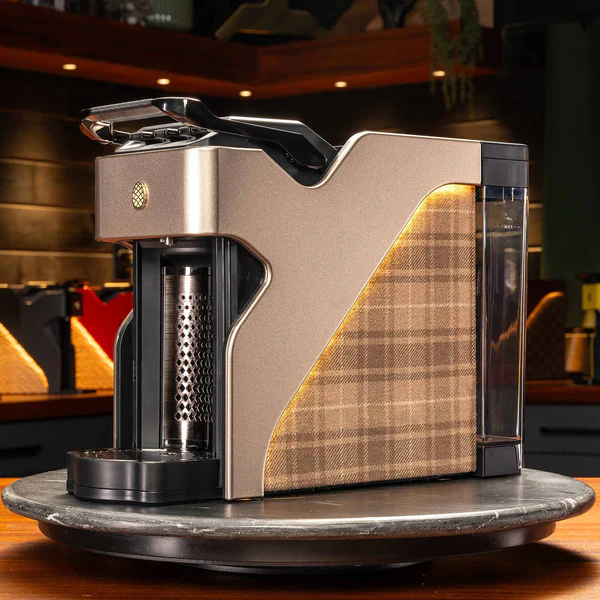
Matt Kossoff founded Milton Coffee Co. in Milton, Georgia, to build a better single-serve espresso machine. The company’s Line1 runs on Nespresso OriginalLine-compatible capsules and uses a stainless steel brew system in place of the plastic components common in capsule machines. Milton also curates capsules from nearly 30 independent specialty roasters worldwide. We asked Kossoff who the machine is for, and why he kept it simple.
Who did you build the Line1 for?
“The vast majority of people who want great coffee are not enthusiasts. They’re busy, practical people who don’t have the time or interest to become home baristas, but they still care about quality and about how things fit into their lives. Most of the industry has either ignored that group or underestimated them. We built Milton specifically for that customer.”
What’s wrong with the capsule machines people already own?
“The format itself is great. The problem is how the machines are built. Most pod systems rely on plastic-heavy internal components, and that directly affects taste. The category has largely been built to a cost rather than for performance. The Line1 replaces that with a stainless steel brew system, and we developed the whole platform in-house over about 18 months.”
Super-automatic machines also promise push-button coffee. Why not build one of those?
“I have a great deal of respect for what those companies have built. But super-automatics still depend on beans, grind and calibration, and they often need ongoing adjustment to get the best results. More of them are adding apps, connectivity and extra features. I think that complicates what should be a simple daily ritual. At 5am, less is more. No apps, no unnecessary features, just a machine that delivers great coffee quickly and consistently.”
Why sell other roasters’ coffee instead of your own?
“The machine matters, but the coffee matters just as much. We work with nearly 30 independent roasters around the world, many of whom have little or no presence in the United States. Some of them are among the most respected names in specialty coffee. We curate and import their capsules so everyday customers can drink coffee at that level without ordering from overseas. It’s a new channel for those roasters too.”
You talk about “outcome-driven” coffee. What does that mean?
“When a cup of coffee falls short, the industry usually puts the blame on the user. It’s the beans, the grind size, the freshness or the settings. We take the opposite approach. We pair an engineered, controlled brewing system with carefully selected capsule coffee, so the result is much closer to what the roaster intended. No dialing in, no guesswork, no finger-pointing.”
How do you think about sustainability?
“A lot of our roaster partners make fully home-compostable capsules. Recyclable aluminum pods get talked about a lot, but in practice few people go through the effort of recycling them. Compostable capsules paired with a good machine are a more realistic option for everyday use. We also think the category should move away from disposable, plastic-heavy appliances toward products people keep for years.”
How did early customers respond?
“Before we did any paid marketing or formal PR, we had just over 100 pre-orders, all organic. They came in for both ready-to-ship machines and fully customized ones, which showed us the interest runs across the range.”
Where does Milton go from here?
“The United States is our focus now. Canada is the natural next step, and then select European markets, where we already have relationships with roasters and distribution partners. Hospitality is a big opportunity as well. Many luxury hotels still put low-cost plastic coffee machines in the room, and we think guests deserve better. Long term, the goal is to pair excellent hardware with excellent coffee for a much broader audience, without adding complexity.”