Renderforest has grown into a platform known for giving creators practical tools that support steady production across regions and skill levels. Many teams turn to it when they need clear structure, predictable output, and a workspace that brings writing, visuals, and audio into one flow. Renderforest 1.0 builds on that track record by offering a new system shaped for longer projects that require continuity and control.
Renderforest 1.0 enters a field where creators seek reliable methods to produce longer material with steady rhythm, strong character continuity, and clear visual logic. The platform responds to that pressure through a system that merges generation and editing in one place. Instead of hopping between tools, users move from script to full scenes while keeping detail consistent across an entire sequence. That structure gives creators room to adjust, refine, and keep their message intact while deadlines tighten.
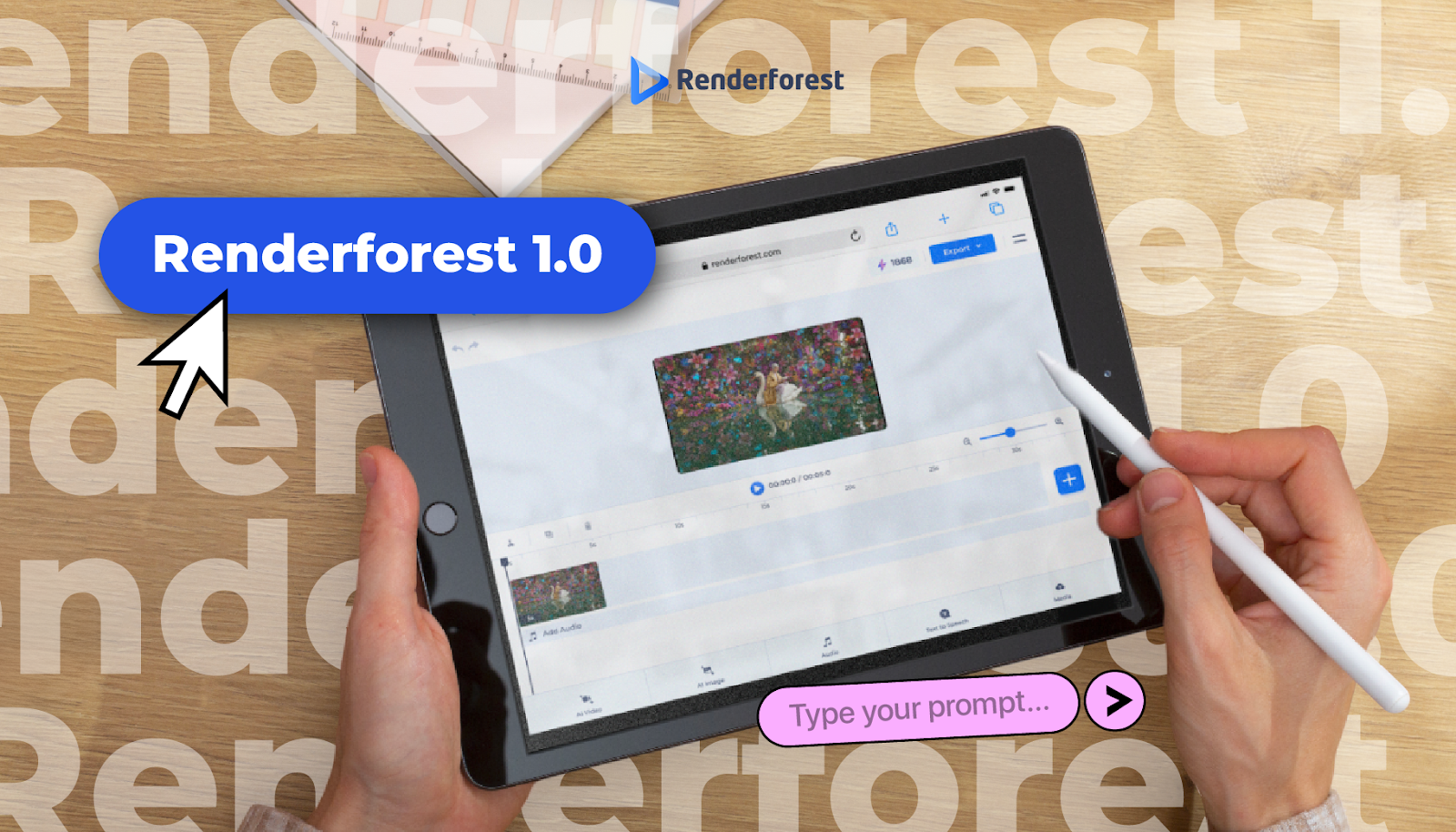
The platform’s most striking addition is its AI-native video editor. Users stretch clips, trim moments, replace elements, rearrange sequences, or adjust pacing without leaving the environment. Traditional models offer short clips that require external editors. Renderforest 1.0 removes that barrier by allowing creators to modify generated material while staying inside the same workspace. That shift supports clearer control over each scene and gives emerging teams a practical method to manage long projects.
Editing Tools That Change How Users Build Long Sequences
Renderforest’s editor supports a hybrid flow where AI handles broad strokes and users refine details. Split tools, replace actions, pacing controls, and regeneration options sit in one panel. A creator adjusts a line, shifts timing, or extends a moment. The editor responds with updated frames that hold the project’s overall tone. Instead of fighting mismatched clips or exporting files for repair, users progress through a single channel that keeps their material aligned.
Smart Add expands that advantage further. A creator inserts one more sentence into a script. The editor expands the video automatically, producing extra scenes where needed while keeping the original sequence stable. Timing holds steady. Character style returns in the new material. Companies across sectors value this feature because it helps them refine messages without rebuilding entire sections.
Smart Edit moves that concept into deeper territory. A change to one line in the script triggers regeneration only in the affected scenes. The rest remains untouched. Pacing, visual tone, and character presence stay consistent across the longer draft. Users keep the flow they built earlier, which cuts revision cycles and helps teams progress quickly while retaining control.
Teams working on extended videos describe a shift in how they plan their material. Older text-to-video systems often produced short clips with limited ties between segments. Renderforest 1.0 takes a different route. Its model reads the sequence as a whole, producing material that holds together across minutes rather than seconds. Characters persist through earlier and later scenes. Transitions match. Tone stays stable. That quality matters when creators prepare training pieces, product explainers, long social content, or multi-segment stories.
The platform’s long-form continuity also plays a role in brand control. A single sequence may stretch across several minutes. Renderforest 1.0 processes that entire span, guiding color, movement, and scene logic toward steady output. When teams adjust a moment during review, the revision fits the surrounding flow rather than disrupting it. That steadiness supports high-volume production groups that rely on dependable structure.
Multi-Modality And A Unified Editing Loop
Renderforest 1.0 pairs its editor with multi-modal generation. A script turns into video, animation, visual frames, or mixed elements. Users mix prompts, imported clips, and written notes. They then refine the sequence inside a unified workflow that accepts text changes, visual edits, or clip adjustments. The model supports loops where users regenerate specific portions without discarding earlier work. That system stands apart from platforms that require external software to fix or extend clips.
Because everything occurs in one environment, teams can adjust scripts, visuals, timing, or audio without breaking continuity. A marketing group may swap a scene. A trainer may adjust dialogue. A designer may expand a transition. Material updates while the full sequence stays intact. That structure shortens production cycles and gives groups confidence that their longer stories will reach final form without major reconstruction.
Renderforest’s team describes the system as a response to creators who want reliable long-form output. A senior developer on the team explained that users “want control that feels steady without rebuilding every draft.” That aim shaped a full suite of tools that guide projects from early ideas to export with fewer interruptions.
The platform supports creators who need production methods that keep pace with rising expectations. With its AI-native editor, Smart Add, Smart Edit, long-form continuity, and multi-modal support, Renderforest 1.0 offers a direct path for teams seeking structure, clarity, and reliable flow across extended projects.