Miami-based startup into one of the busiest cruise terminals on earth and gave its smart city cleaning robots a brutal test peak season crowds moving nonstop through a building that processes millions of passengers each year.
Miami-Dade Tests Smart City Cleaning Robots
Cruise passengers noticed something different before they knew why. Corridors stayed bright and dry deep into the night, restrooms felt freshly serviced even during boarding rushes, and trash-free waiting areas became the norm rather than the exception. Terminal operators traced that change to a fleet of autonomous cleaning robots supplied and managed through the WorkWise Robots as a Service subscription model.
Miami-Dade did not buy the hardware outright, which kept the county off the hook for capital expenditure while it gauged long-term value. WorkWise teams mapped the terminal workflow, then assigned autonomous floor care units to the most demanding zones where human crews struggled to keep pace during embarkation and debarkation surges. The machines handled long repetitive passes through concourses that once drained staff energy, freeing people for higher touch tasks with anxious travelers and complex maintenance.
Smart city cleaning robots ran through extended shifts and delivered steadier results than rotating manual crews, according to the county facilities team. The deployment covered high-traffic sections of one of the world’s largest cruise hubs at the most crowded time of the year and still raised overall cleanliness scores in internal reports. Terminal leaders shared that passengers remarked on the improved feel of the building, and complaints about dirty floors or overflowing bins fell away.
The project set up Miami-Dade as one of the first major United States county governments to lean on a commercial robotics partner for day-to-day care of public-facing infrastructure under a subscription contract rather than a one-time purchase. That detail matters for budget officers who can treat the service as an operating expense and scale it with traffic rather than gamble on a fleet of machines that might sit idle. WorkWise built its model around that reality and positions itself less as a gadget company and more as an operations partner focused on steady outcomes.
Airports Signal A Wider Municipal Robotics Wave
Miami is far from alone in exploring autonomous cleaning public infrastructure. During the pandemic, passenger confidence collapsed, and airports scrambled to show that terminal spaces were both visibly and measurably cleaner than ever before. Tampa International Airport turned to Brain Corp-powered autonomous floor scrubbers to help cover its concourses and later collected an Airport Service Quality hygiene award from Airports Council International in recognition of those efforts.
Salt Lake City International Airport joined that movement when it introduced a fleet of robotic floor machines that could patrol wide concourses while human cleaners focused on high-touch surfaces such as security trays and gate seating. Airport managers reported that the robots reclaimed thousands of staff hours and made it easier to maintain strict cleaning schedules during late-night bank periods when hiring remains toughest.
Pittsburgh International Airport went further when it became the first airport in the country to field autonomous cleaning robots fitted with ultraviolet disinfection modules. Those machines scrub terminal floors, then bathe the surface in germ-killing UV-C light, a configuration first deployed at PIT in partnership with local robotics firm Carnegie Robotics. The move turned the airport into a reference point for ultraviolet cleaning robots and placed Pittsburgh near the center of the national conversation about smart city robotics in transportation hubs.
Across the United States, airports have now placed dozens of autonomous cleaners into service. Industry case studies describe fleets spread across roughly ten major airports, approaching one hundred robots in total, with aggregate operating hours in the five-figure range and cleaning coverage measured across tens of millions of square feet of terminal space. Taken together, those deployments show that airport cleaning robots have moved from public relations novelty to a durable tool for keeping vital infrastructure open and trusted.
Labor Shortages Push Cities Toward Automation
Behind the Miami-Dade decision sits a more stubborn story. Municipal facilities teams try to keep terminals, parks, and public buildings spotless while vacancy rates in cleaning and maintenance roles stay painfully high. The Bureau of Labor Statistics projects hundreds of thousands of annual openings in building and grounds cleaning and maintenance occupations through the middle of the next decade, driven mostly by turnover rather than new growth. Community leaders know they will compete with hotels, warehouses, and big box retailers for the same shrinking pool of workers.
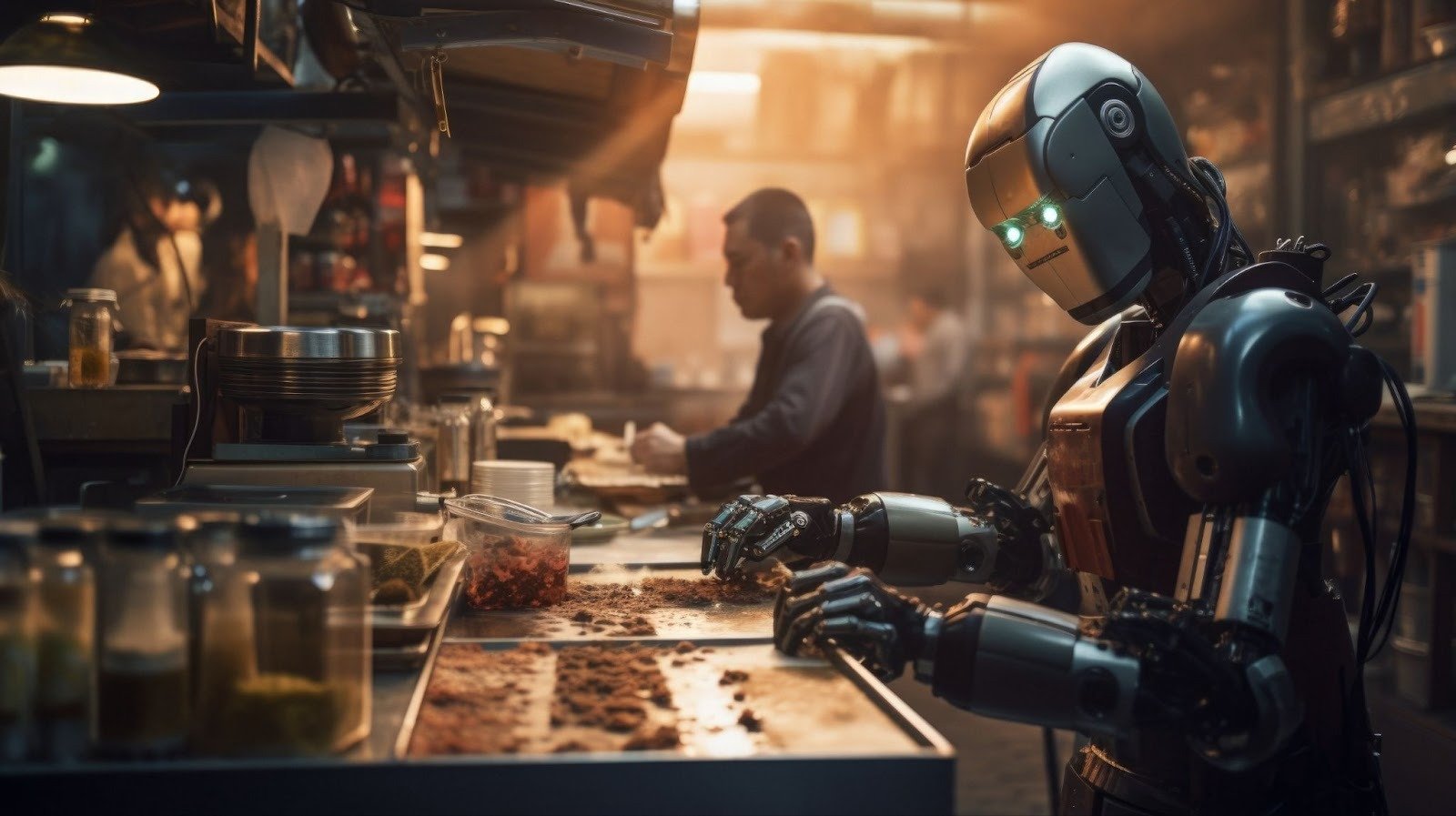
City managers in this environment cannot simply hire their way out of the gap. PortMiami offers a clear snapshot of a facility that relies on steady overnight work to reset terminals before thousands of passengers arrive in quick waves. Traditional staffing models lean on overtime and temporary labor, which strain budgets and push turnover even higher. Smart city cleaning robots give leaders another lever so that routine floor care and long-haul scrubbing sit with machines while human teams manage sensitive repairs, guest guidance, and safety tasks that demand judgment.
WorkWise Robotics stepped into that tension with a service-centered model for municipal robotics deployment that mirrors how many governments handle software or security monitoring. Counties and airport authorities subscribe to a package that includes hardware deployment, route planning, telemetry, and on-site training for staff supervisors. The company built its WorkWise Academy training program so existing janitors and maintenance workers can grow into robot operators, fleet coordinators, and data-informed shift leads rather than feel sidelined by automation.
The Miami Dade deployment underscores how smart city robotics can support public servants instead of replacing them outright. Terminal cleaners who once spent most of a shift guiding heavy scrubbers up and down endless corridors now oversee a small fleet from a tablet while focusing their own time on deep cleans and urgent calls from gate agents. Airport cleaning robots in Tampa, Salt Lake City, and Pittsburgh tell a similar story: crews move from repetitive strain toward quality control.WorkWise captures that philosophy in its mission phrase Empowering the next generation of work. The PortMiami pilot shows how that idea translates into a real building under real strain, where autonomous cleaning of public infrastructure becomes less science fiction and more quiet backbone for travel economies. Miami-Dade County’s willingness to test a subscription-based robot as a service model during its busiest cruise season signals to other city managers that the future of clean, reliable public spaces may arrive on four wheels with a scrubber head and a data connection rather than a new wave of manual labor alone.